






Our eyesight is something many of us rarely think about until it starts to develop issues. And sometimes it feels like it does this quite suddenly.
One day, you’re reading menus and product labels with ease. Next, you’re stretching your arms a little further away from you or taking photographs on your phone, which you can enlarge to make the words seem easier to read.
Thankfully, regardless of whether you’re noticing subtle changes or more obvious signs, there are several things you can do to improve your eyesight. While there is no magic solution that guarantees perfect eyesight forever, here are six things worth considering.
Understand Why Your Eyesight Changes
Before you start looking at any possible solutions, it’s important to understand why vision changes occur in the first place.
Essentially, it is because as we age, the structures inside our eyes naturally become less flexible. This often leads to presbyopia, which is a common condition that affects the ability to focus on close objects. Indeed, many Australians begin to notice its effects in their 40s and 50s.
That said, age isn’t the only factor, as genetics and lifestyle choices can also influence your risk of developing certain eye conditions. Smoking, poor nutrition, excessive sun exposure, and unmanaged health conditions such as diabetes can all affect your eye health.
Additionally, many people are also spending more time looking at screens than ever before. Although computers and smartphones aren’t solely responsible for your worsening eyesight, prolonged use of them can definitely contribute to eye strain and visual discomfort.
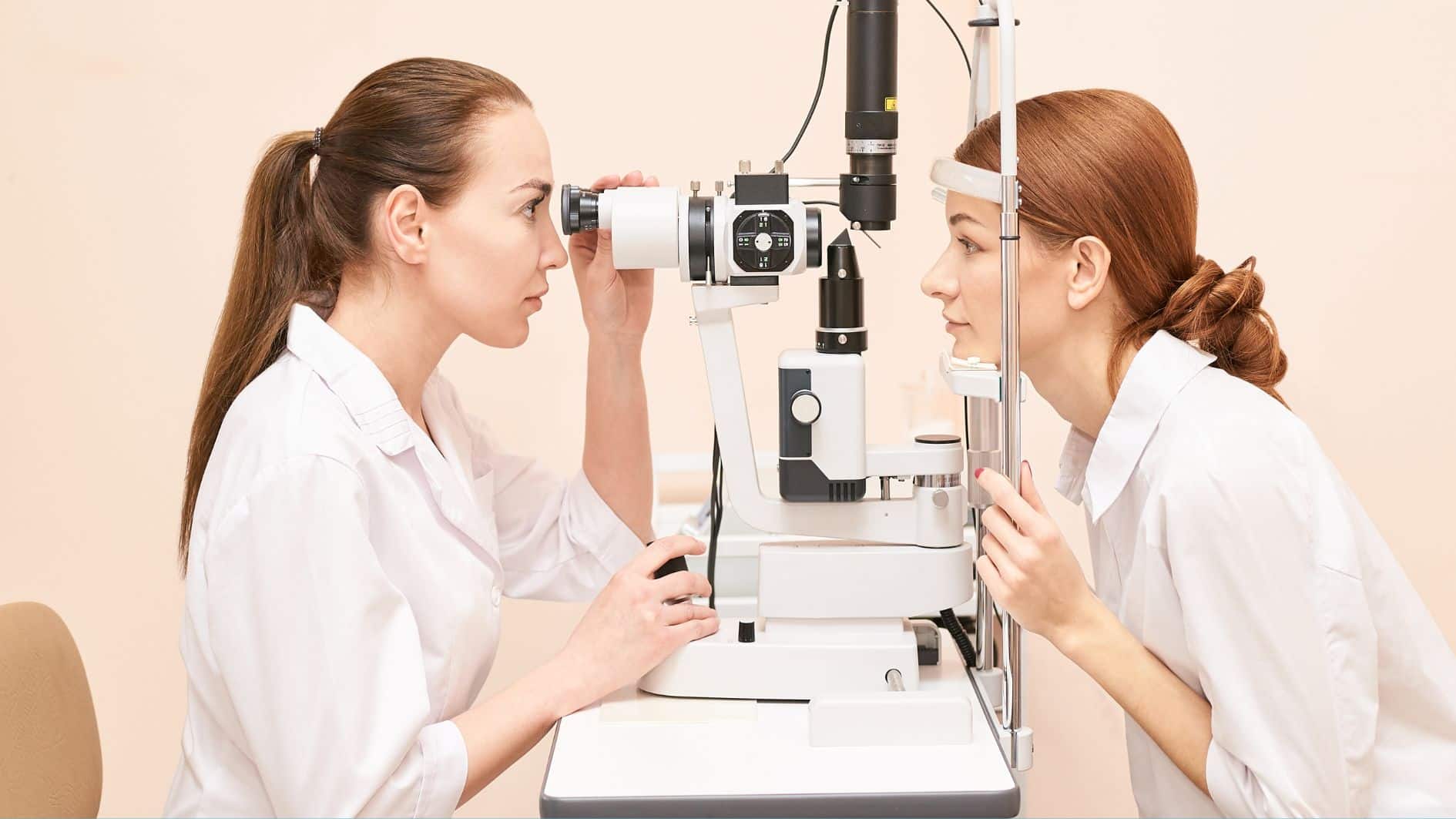
Schedule Regular Eye Appointments
A recent study found that some 26% of Australians haven’t had an eye test in the last two years, which is the standard timeframe industry experts suggest. Moreover, 13% of Aussies have never had an appointment with an optometrist in their life.
Both of these statistics are easy to fix, just by being diligent enough to schedule an appointment. It is important to do this even if you don’t currently feel there are any issues with your eyes. That’s because many conditions can develop without noticeable symptoms in their early stages.
By having regular eye tests, your optometrist will be able to detect signs of:
- Glaucoma
- Cataracts
- Macular degeneration
- Diabetic eye disease
- Retinal problems
- Prescription changes
It is important to diagnose these conditions as early as possible, as some can cause irreversible damage if left untreated.
Explore Modern Vision Correction Options
If, after your appointment, it is found that you have vision issues, you can at least take solace in the fact that there is a growing range of vision correction options available today.
For many Australians, glasses remain the most practical and affordable solution. Primarily, this is because advances in lens technology mean that they can better address a wide range of visual needs. At the same time, modern frame designs offer greater comfort and style than ever before.
Contact lenses remain popular among people who prefer not to wear glasses. In particular, those who enjoy sports or active lifestyles. However, for folks who require more complex solutions, laser eye surgery can be a highly effective way to reduce their dependence on glasses. This procedure reshapes the cornea and corrects refractive errors and has an excellent success rate.
However, laser treatment isn’t suitable for everyone. Indeed, for individuals with high prescriptions or thinner corneas, ICL surgery Brisbane treatments may be an option worth discussing with an eye specialist. While it requires Implantable Contact Lenses to be placed inside the eye, it can correct short-sightedness and other refractive issues without permanently removing corneal tissue.
Be Realistic About How to Naturally Improve Your Eyesight
Thousands of people search Google for answers to queries like “how to improve eyesight naturally”. Mostly in the hope of finding a simple exercise, supplement, or daily routine that can restore their vision to near-perfect levels.
Unfortunately, most refractive errors, such as short-sightedness, long-sightedness, and astigmatism, cannot be reversed naturally. However, the following activities can reduce your chances of succumbing to them:
- Getting between 7 and 9 hours of sleep every night
- Regularly exercising
- Drinking at least 2 litres of water a day
- Managing your stress levels
- Taking frequent breaks from screens
- Wearing sunglasses whenever you are outside
- Controlling your blood pressure and blood sugar levels
Additionally, eye exercises may reduce fatigue symptoms for people who spend long hours reading or working on computers. They won’t replace glasses or surgery. But they can help keep your eyes more comfortable throughout the day.
Eat More Healthily
They say “you are what you eat”, and when it comes to your eyesight, this is particularly the case.
In fact, there are several nutrients associated with healthy vision that may support the function of different parts of the eye. These include:
- Vitamin A
- Vitamin C
- Vitamin E
- Zinc
- Omega-3 fatty acids
- Lutein
- Zeaxanthin
You can find out more about what foods are good for your eyes here. However, it is worth noting that leafy green vegetables such as spinach and kale are excellent sources of lutein and zeaxanthin. Likewise, carrots and sweet potatoes contain vitamin A, while oily fish such as salmon and sardines provide omega-3 fatty acids.
It is also recommended to eat plenty of citrus fruits, berries, nuts, and seeds. All of which are perceived by medical science to provide you with nutrients that support your eye health.
Take Digital Eye Strain Seriously
Digital technology has become a central part of most of our lives. Many of us mums work remotely, help children with their homework, stream shows on Netflix, or spend a lot of time scrolling through social media on our phones. As a result, your eyes are likely to spend hours focused on screens every single day, which could increase your risk of digital eye strain.
Some common symptoms of this condition include:
- Dry eyes
- Headaches
- Blurred vision
- Eye fatigue
- Neck and shoulder discomfort
One popular way to counter this is to adopt the 20-20-20 rule, which states that every 20 minutes you should look at an object roughly 20 feet away for at least 20 seconds.
Other things you can do include adjusting your screen brightness, increasing text size on your devices, reducing glare, and positioning screens at a comfortable, readable distance away from your eyes.