




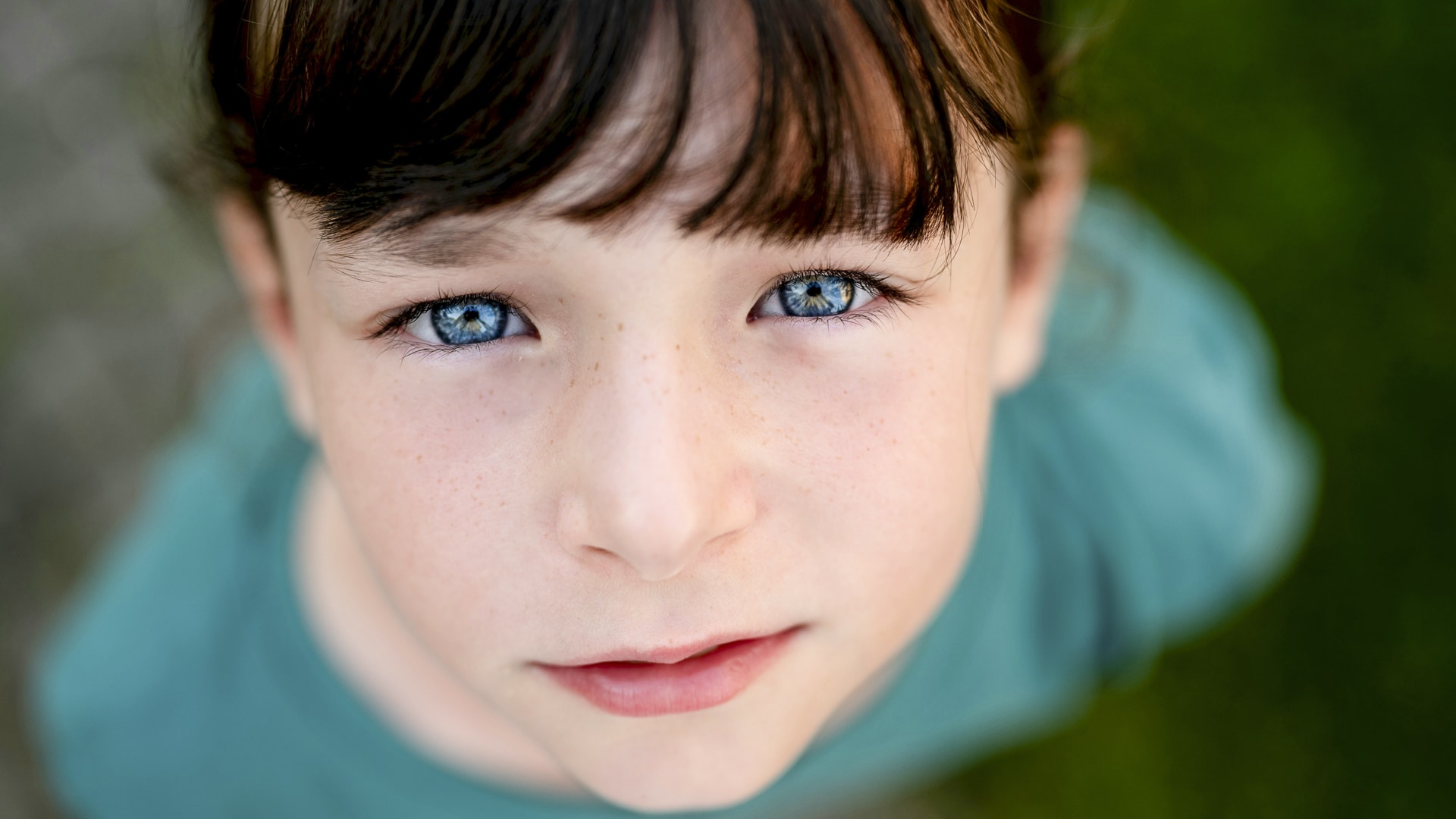
Myopia (also known as short-sightedness or near-sightedness) is currently recognised by the World Health Organisation (WHO) as a pandemic. Myopia control is an essential element of eye health on the Northern Beaches, especially in relation to children.
Short-sightedness, or myopia, occurs when the eye grows too long. In young children, it is usual for their eyes to be a little shorter than ideal. This means they are normally a little far-sighted. Over time, their eyes grow to normal lengths and their vision normalises. Sometimes this growth can happen early and for a time they appear to have normal vision. If the growth continues, however, the eye then becomes too long and cannot focus on distant objects without glasses or contacts. This is myopia.
This excessive growth also weakens the delicate tissues at the back of the eye. Over time, those suffering from short-sightedness are more likely to suffer serious sight threatening conditions.
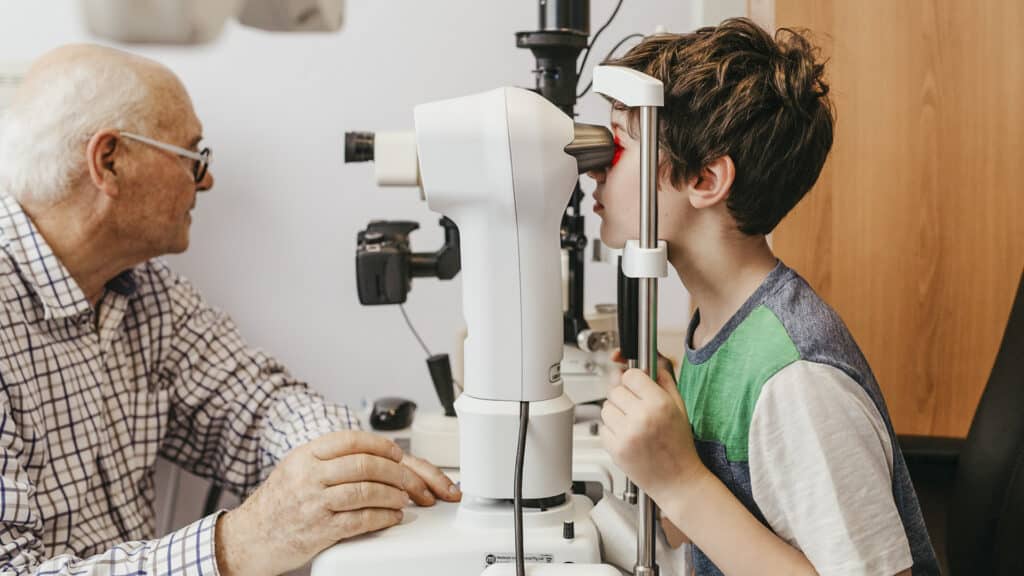
Regular eye exams can track this growth and determine whether it is at risk of developing, or has already developed into myopia. Appropriate treatment can then be recommended which can help minimise the effects and future impact of the condition.
Maximeyes Optometrists in Manly have been at the forefront of myopia diagnosis and control for many years. We focus on prevention rather than just fixes and are experts at the early detection of myopia progression and other eye conditions.
The Causes of Myopia
Because the increase in instances of myopia have occurred so quickly throughout the world, the cause is clearly not a genetic modification but rather a set of environmental factors. The increase in screen time and perhaps the proximity of screens to kids’ eyes is an obvious candidate as a cause of myopic progression.
It has become apparent, however, that a reduction in time outdoors is a major factor. By increasing the time spent outside it is possible to reduce the risk of onset of short-sightedness as well as slow down its progression. Fortunately, the Northern Beaches offer the ideal environment for children to spend time outdoors.
The Impact of Myopia on Children (and Adults)
Kids will often accept a difficulty in seeing clearly as being normal (they have no other reference). As such, they won’t tell you that they may be struggling. This can negatively impact both sports and schoolwork.
Myopia can be problematic for many sporting and outdoor activities. Myopia can affect the ability to identify risks or hazards, judge distances or recognise other people. Luckily, most symptoms of short-sightedness can be improved by wearing properly prescribed glasses or contact lenses. This will not stop or slow myopic progression, however.
Managing myopia whilst swimming or surfing can be an even greater challenge. It is often impractical, if not impossible to wear glasses or contact lenses to correct vision whilst in the water. For many suffering from myopia, this reduces their ability and desire to take part in such common fun activities.
Additionally, children with short-sightedness may experience difficulties at school. They struggle to properly view subject matter at the front of the classroom or even have trouble reading. Once again, children in this situation may not speak up about the problems they are having as they believe it is normal.
These impacts to both physical activities and education can have far-reaching consequences if not dealt with promptly. The first step in minimising the impact of myopia on a child’s life is to arrange a regular eye exam. Myopia, or any other eye conditions, can then be diagnosed and treated appropriately.
The Importance of Regular Eye Tests for Children
Of course, when a child’s eyes look strange then people usually acknowledge the fact and decide to act. Parents will notice if their baby is cross-eyed or wall-eyed and take action with a visit to a health practitioner.
This will often be with a GP, however, as optometrists are primary health care providers themselves, it is usually better to book an appointment with them directly – no referral is required. Should it be necessary, the Optometrist can then refer to an appropriate specialist (whilst helping you with the right questions to ask them).
When children have less obvious visual problems, however, it is very common for them to be overlooked for a long time. Many parents follow the principle that ‘if it isn’t broken then don’t fix it’. Unfortunately, this allows the vision problems to progress without treatment, potentially causing long-term eye health issues. In the short-term, as noted above, it can also interfere with sports and schoolwork.
Although a full eye test is considered to be required only once every three years for adults, annual checks are easier to remember and much safer. For children, it is highly recommended to get annual checks. A lot can happen over a year to a young person’s eyesight as it is developing, let alone three years.
Importantly, regular checkups allow data about the eyes to be collected over time. Even if nothing is wrong, this allows baseline measurements against which any unexpected changes can be spotted more easily and earlier.Maximeyes offers comprehensive eye exams for children and adults and we bulk bill all children’s examinations. Furthermore, as a free addition to all the normal tests we also perform axial length and eye topography (or eye shape) tests as part of your child’s eye health examination.

The Treatment of Myopia
Recognition of myopia progression is the first step on the path to managing it. Depending on the severity, recommendations can be as simple more outdoor time or a change in diet.
For more serious or progressed cases, treatment may involve the prescription of specially designed myopia management glasses or contact lenses. These help to counteract the negative impacts of short-sightedness and allow your child to experience and enjoy most physical and school activities the way they should and also slow myopic progression.
For children involved in water sports, the wearing of glasses or contacts during these activities can be unsuitable. Similarly, there may be other sports or activities for which wearing glasses or contacts is undesirable. In these circumstances, a specialised form of contact lens treatment, known as overnight orthokeratology, can be prescribed.
Overnight orthokeratology (or Ortho-K) involves the overnight wearing of special contact lenses that adjust the shape of the eye. This is similar in some ways to laser eye surgery, but the process is reversible and delivers temporary vision correction without the need for glasses or contacts during the day whilst in the water or performing other activities.
An additional benefit of Ortho-K treatment is that is slows overall myopic progression. It is also commonly suitable for anyone with myopia who does like wearing glasses or contacts, or who is not keen on the idea of eye surgery.
Other treatment options may be available, depending upon individual circumstances and preferences.
Maximeyes keeps up-to-date with eye related scientific studies and evidence. This allows us to provide appropriate treatment recommendations and be aware of new potential options as they are being developed.
Maximeyes – Manly Optometrists
Dr Max Humphreys has led the team at Maximeyes Optometrists in Manly for many years. He is passionate about eye care and eye health in general, but especially when it comes to children. He has been an advocate for children’s eye health in Australia and the Northern Beaches for many years. Max has recently been joined by an equally passionate optometrist, Dr. Sunila Dumpala, and they are both ably supported by two other enthusiastic and experienced optometrists, Marlena Di Grac and Yit Benfield.
You can visit Maximeyes Optometrists at our website www.maximeyes.com.au to Book an Appointment or learn more about our services.
If you are experiencing any problems with yours or your family’s eyes or have noticed any recent unusual changes in their eyes, please call us immediately on 02 9977 2554 or visit our clinic at Unit 1, 7a Wentworth Street, Manly.