


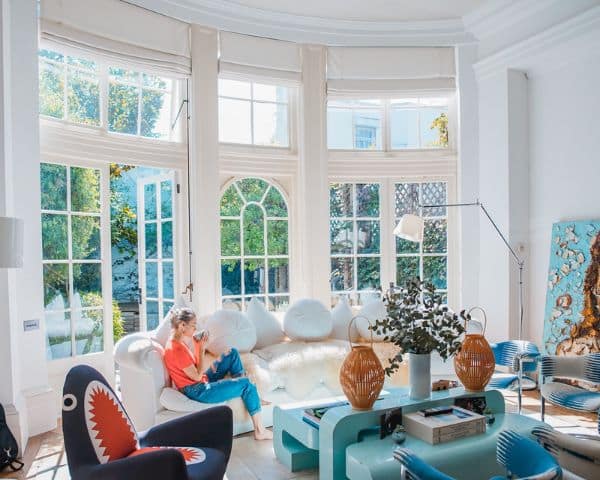
Today, the journey through interior design is not just about aesthetics; it’s about creating spaces that reflect the unique blend of Australia’s vibrant culture, respect for the environment, and a commitment to wellbeing. As Australians continue to embrace eco-friendly lifestyles and sustainability, interior design has evolved beyond mere visual appeal. It now encompasses the creation of spaces that are in harmony with nature, contribute to health, and respect the ecological balance.
Let’s explore how we, inspired by different trends from all over the world, can transform our family homes into sanctuaries of health, vitality, and a deep connection with the natural world.
Embrace Natural Lighting
The undeniable magic of natural lighting extends far beyond its beauty. Sunlight, in its gentle touch, has the power to uplift moods, enhance focus, and even aid in regulating sleep patterns. More than that, its abundant presence can greatly reduce our reliance on artificial lights, many of which emit potentially harmful blue light that can disturb our circadian rhythms. This is especially important in children’s rooms, so they can get quality sleep every day and wake up rested.
To truly capitalise on natural lighting, it’s essential to strategically place furniture in a way that doesn’t obstruct the inflow of daylight. In spaces where privacy is paramount, opt for sheer curtains. They act as a delicate veil, ensuring privacy without compromising on the much-needed influx of invigorating, natural illumination.
Integrate Greenery
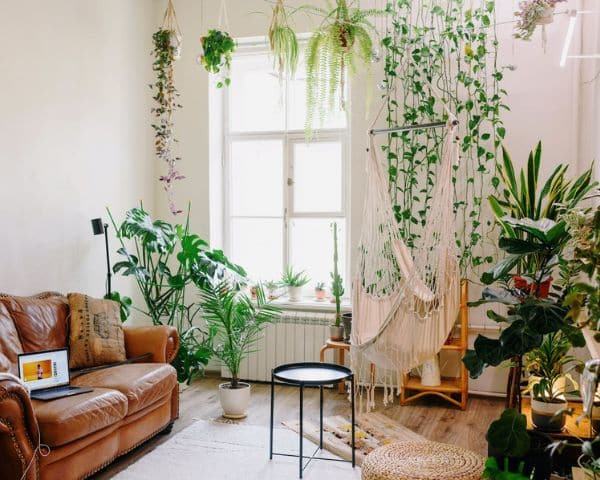
Indoor plants serve as more than just decorative elements; they’re the bridge that connects our urban lifestyles to the essence of nature. With each leaf and stem, these green companions play an active role in cleansing the air we breathe by absorbing toxins and releasing pure oxygen. Moreover, the simple act of tending to plants, watering them, or just watching them grow, has been shown to reduce anxiety, promote feelings of contentment, and teach children responsibility and kindness.
The soft, verdant hues of plants also have a calming effect on the mind, making the biophilic design a natural stress-buster. Whether you choose a resilient snake plant, a cascading pothos, or even a bouquet of fresh flowers, introducing greenery is one of the most effective ways to enhance air quality and bring tranquillity to a space.
Prioritise Sustainable Materials
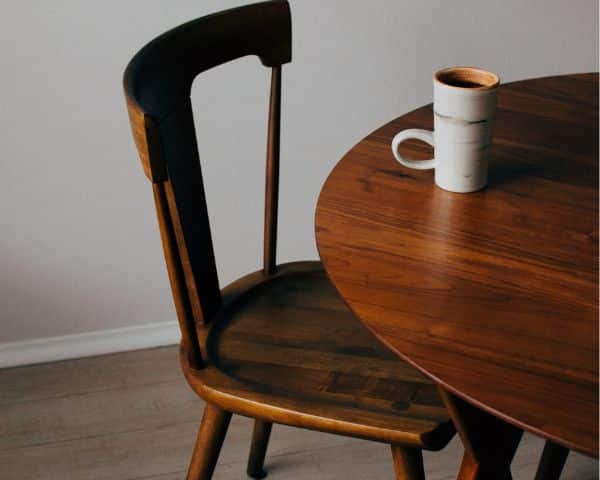
In an age where fast fashion and disposable culture have dominated various aspects of our lives, it’s crucial to reevaluate the materials we introduce into our homes. This is especially necessary in modern urban centres where people miss the immediate connection with nature. But there’s a solution–natural sustainable materials.
For instance, reclaimed wood is a popular addition to all modern apartments for rent in Charlotte, North Carolina. The state is rich in beautiful forests that need to be preserved and evoked through the design. By incorporating such materials, homeowners and renters can ensure that the space they inhabit not only reflects their personal style but also resonates with their eco-conscious values. Moreover, sustainable materials often come with the added advantage of being durable, meaning fewer replacements and less waste over time.
Focus on Ergonomics
While aesthetics play an undeniable role in interior design, functionality and comfort should never take a backseat. Our physical well-being is intricately linked to our surroundings. Spaces that disregard ergonomics can lead to chronic aches, posture problems, and overall discomfort. Therefore, it’s pivotal to invest in furniture that complements and supports the human body’s natural contours.
In places like Scandinavia, people often invest in ergonomic seating, tailored not just to look appealing, but to offer lumbar support, ensuring hours of comfortable seating. Consider adjustable-height desks that cater to both sitting and standing work modes, promoting movement and flexibility. And when it comes to soft furnishings, look towards organic materials like cotton or hemp. These not only align with an eco-lifestyle but also provide unparalleled comfort, ensuring every moment spent in the space is a treat to the senses.
Cultivate Sensory Delight
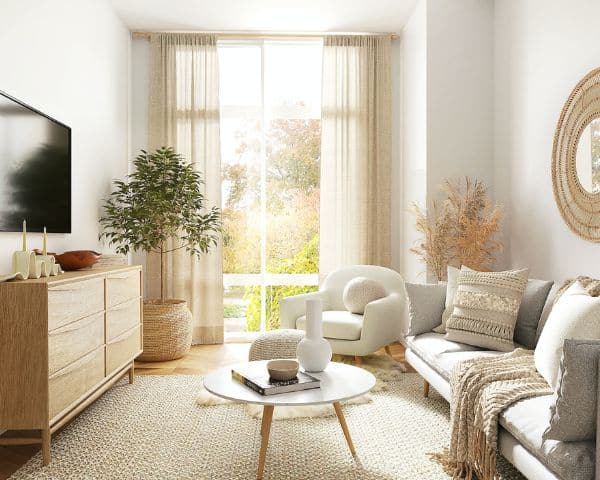
A truly holistic approach to interior design embraces every sense. While visual appeal is paramount, the sensory experience of a space doesn’t end with what meets the eye. Soft textiles invite touch, beckoning warmth and comfort. Aromatherapy, through essential oil diffusers or naturally scented candles, can elevate mood, reduce stress, and even aid in focus and relaxation.
Do what many Zen-inspired Asian households do and introduce elements like indoor fountains, which offer the soothing sounds of flowing water, or delicate wind chimes that sing with every breeze. Such sensory inclusions don’t merely serve as decorative afterthoughts; they actively contribute to the overall ambiance, fostering an environment where eco-friendliness, relaxation and rejuvenation come naturally.
In Australia, where the environment is both a treasure and a responsibility, designing our homes and spaces with intention becomes an essential part of living sustainably and mindfully. Inspired by worldwide trends, our interior spaces can be transformative, supporting our family’s health, and boosting the well-being of the planet we call home.
Sophia Smith is a beauty and lifestyle blogger, and a food enthusiast. She is very passionate about eco-friendly and green topics, sustainable fashion, eco beauty, and conscious business. Sophia’s other hobbies center around her love for yoga, wellness rituals, and living in balance with nature. She loves sharing meaningful content that inspires people and has covered topics ranging from organic beauty products and sustainability to self-care and mental health.
Sophia has contributed to a number of publications including Eco Warrior Princess, Naughty Nutrition, Sivana Spirit, Carousel, Cause Artist, Austin Fit Magazine, Awaken, Literally Darling, Art of Healthy Living, and Read Unwritten.
You can find out more about her writing by following her on Twitter: https://twitter.com/sophia_bri.