





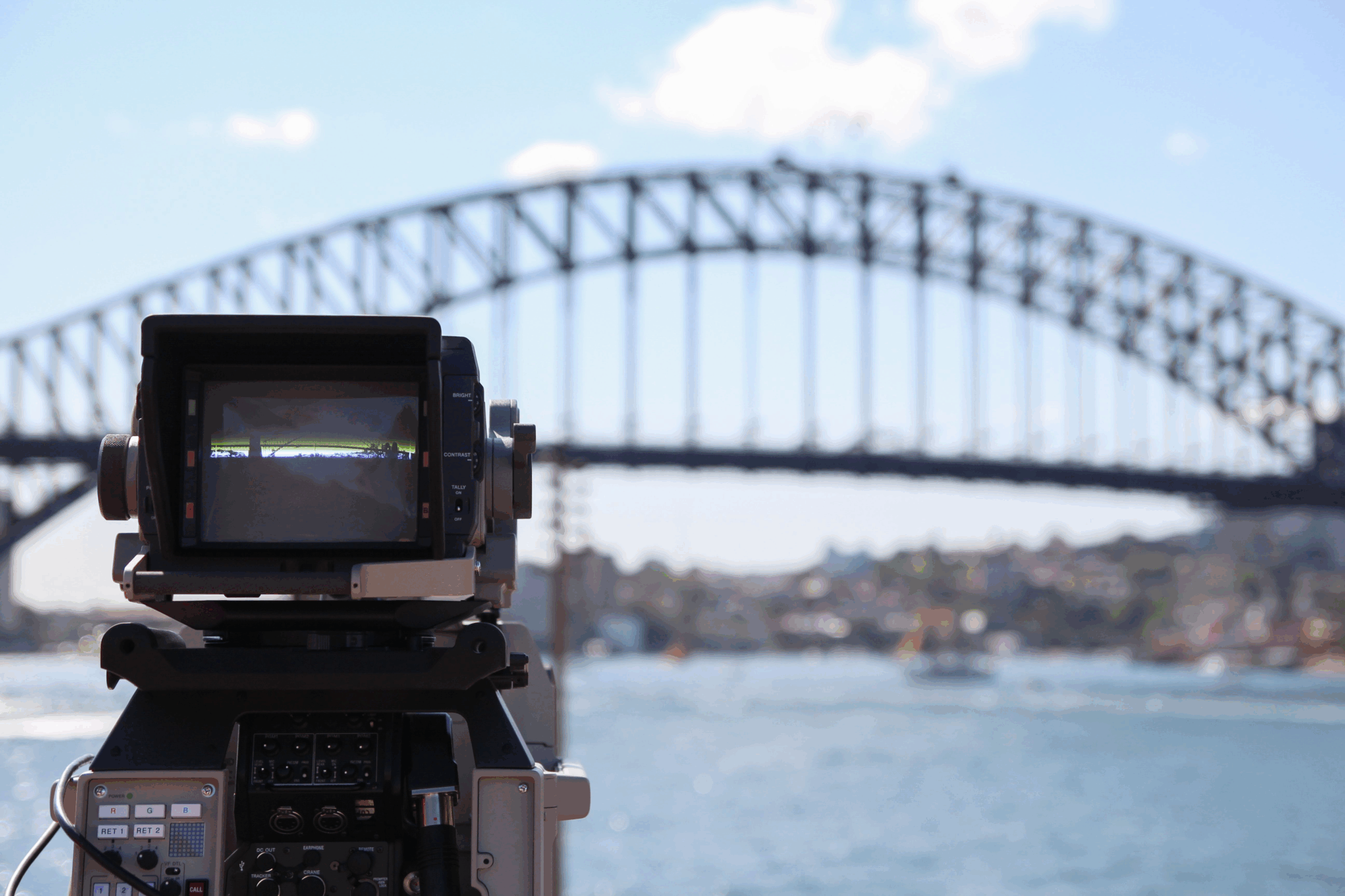
For years, many Australian actors shared a quiet assumption about where real screen momentum happened. You could train in Sydney or Melbourne. You could build credits locally. You might land commercials, short films or the occasional guest role. But if you were aiming for sustained television or streaming work, the kind that builds a career rather than a résumé – you eventually looked offshore.
Sydney was respected. Melbourne had its theatre pedigree. But neither city was consistently viewed as a long-term base for serious screen careers. They were starting points, but often seen as stepping stones.
That perception didn’t come from lack of talent. It came from production volume. There simply weren’t enough large-scale projects to support a continuously working pool of actors. But that equation has changed and nowhere is it more visible than in Sydney. The shift isn’t just hopeful. It’s measurable.
There’s Simply More Work on the Ground
Walk past Disney Studios Australia in Moore Park on any given week and something is likely shooting. Sound stages that once sat quietly between projects are now turning over consistently, reflecting a broader shift across New South Wales.
Data from Screen Australia shows that Australian screen production has remained strong in recent years, with New South Wales attracting both local and international projects. Global platforms like Netflix and Amazon Prime Video continue commissioning Australian stories and they’re not small productions.
For actors, that doesn’t just mean headlines. It means auditions.
More guest roles. More recurring arcs. More day-player briefs landing with agents. More chances to get on set and learn the rhythm of professional screen work without boarding a long-haul flight. Sydney isn’t replacing Los Angeles or London just yet, but it’s no longer just a holding pattern either.

The Standard Has Been Raised
There’s another change actors are feeling: the bar is higher.
Streaming has made performances more exposed. The camera sits closer and there is less room for habits or theatrical shortcuts. Directors expect precision with marks, eyelines and continuity across takes, while still asking for emotional truth under pressure.
Screen work is not theatre dialled down. It is a different beast altogether and that shift has reshaped training in Sydney.
Studios that once treated camera work as an add-on are now integrating it from the outset. Many emerging performers begin through structured training, including classes at The Actors Pulse in Sydney, where Meisner-based responsiveness is paired with practical screen skills such as self-taping, cold reading and disciplined scene work.
The focus is not exposure, but reliable technique. In a fast-moving casting environment, that preparation makes a difference.
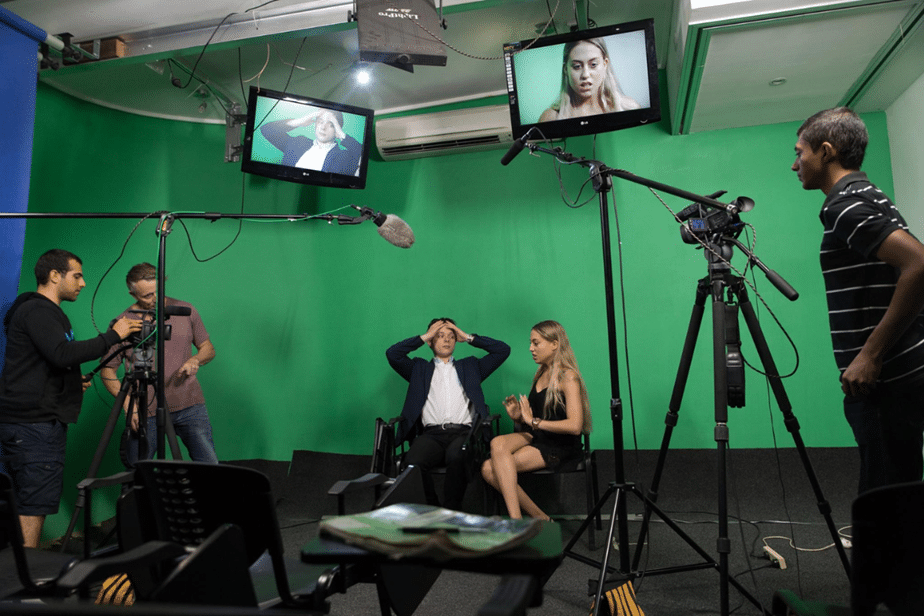
Training and Industry Are Close – Literally
Sydney’s screen industry is not sprawling. It is concentrated. Casting directors, agents, production offices and acting studios operate within a relatively tight professional network. Organisations such as Screen NSW continue supporting local production and that activity translates directly into auditions and on-set opportunities.
Actors are not training in isolation from the market they want to enter. They are developing their craft in the same city where roles are cast and pilots are filmed. That proximity shifts the mindset.
Instead of waiting to be discovered, serious actors are building technique, strengthening reels and stepping into auditions prepared.
Making the Most of the Moment
Sydney’s growing production cycle offers something practical for actors at every stage. For newer performers, it means training with a direct line to professional work. The standards on local sets now mirror international expectations, so learning screen craft properly from the outset reduces the adjustment when real auditions arrive.
For experienced actors, it is a prompt to refine. As streaming has tightened performance demands, many are revisiting camera technique, continuity and technical precision. The margin for inconsistency is smaller than it once was.
Sydney now rewards preparation. With consistent production happening locally, readiness is tested quickly. Actors who treat training as ongoing development rather than a short phase are better positioned when opportunities arise.
The advantage is proximity. In Sydney, preparation and opportunity now sit closer together than they ever have before.