





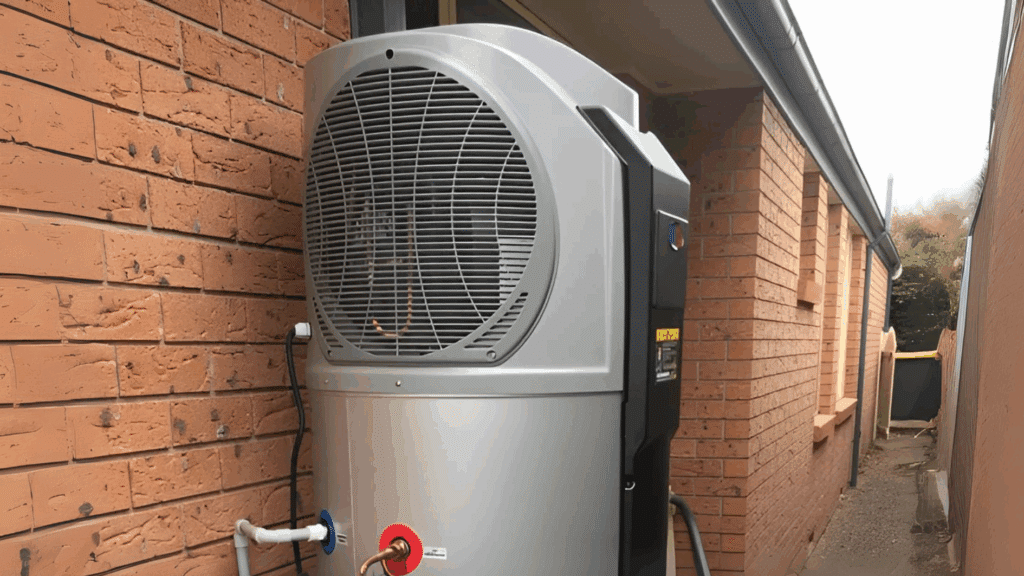
Running out of hot water at night is more than just an inconvenience — it can throw off your evening routine, delay your showers, or even leave you halfway through washing the dishes with cold water. If you find yourself asking, “Why does my hot water always run out at night?” you’re not alone. Many households experience this issue, especially in winter or in homes with multiple occupants. Let’s take a closer look at what could be causing your nightly hot water shortfall and how you can fix it.
1. You’re Using More Hot Water Than Your System Can Handle
One of the most common reasons hot water runs out at night is simply because your household is using more hot water than your storage system can provide. In many Australian homes, especially older ones, the hot water system may have been installed with a smaller tank — often just 125 to 160 litres — which might not be enough if multiple people are showering at night, running dishwashers, or doing laundry.
A Real-World Example:
If your electric storage hot water system holds 160 litres, and each person in your household uses around 50 litres per shower, a family of four will easily drain the tank before bedtime. Add in some handwashing, dish rinsing, and laundry, and the tank simply can’t keep up.
2. Your Hot Water System Heats on an Off-Peak Tariff
Many households don’t realise they’re on an off-peak tariff until they start running out of hot water in the evenings. It’s a common issue — especially with electric storage systems. This means the water heater only operates during cheaper electricity times — typically overnight between 10 pm and 7 am. If you run out of hot water before that window, it won’t start heating again until the designated off-peak period, leaving you in the cold until morning.
This setup can be great for energy savings, but it’s not ideal for households that rely on hot water in the evening. You may not realise you’re on an off-peak tariff unless you check your energy plan or consult your electricity provider.
3. Your System Is Too Old
Just like any appliance, hot water systems have a limited lifespan. “Most hot water heaters have a typical lifespan of about 10 to 15 years”, says After Hours Plumbing. Beyond that, they often become less efficient, prone to failure, and can struggle to meet your household’s hot water demands.
An ageing system might appear to be working during the day, but under increased evening demand, it may not deliver as reliably. It might take longer to reheat or struggle to heat water to the desired temperature.
4. Sediment Buildup in the Tank
Over time, mineral deposits from hard water can accumulate at the bottom of your hot water tank. This sediment reduces the efficiency and available capacity of your tank, meaning you get less usable hot water even though the system appears to be working.
In areas with hard water — like parts of Western Australia, South Australia, and regional NSW — sediment buildup can become a major issue. It not only shortens the lifespan of your heater but also leads to slower heating and less hot water in the evening when demand spikes.
5. A Faulty Thermostat or Heating Element
If your electric storage water heater is running out of hot water unusually fast, it could be due to a malfunctioning thermostat or a faulty heating element. When either of these parts fails, your tank may not heat water to the correct temperature, or it may only be heating a portion of the tank.
The result? You think you’re getting a full tank of hot water, but in reality, it’s lukewarm or only partially heated — which can run out quickly, especially at night when several family members are trying to use it.
6. Night-time Showers Are Overloading the System
Australians are increasingly switching to night-time showers — especially those who exercise after work or have early starts. If everyone in your household prefers to shower at night, it places a high and concentrated demand on the system in a short time frame.
Even a system that performs well during the day may not be designed to handle such a sudden spike in usage, especially if it’s a smaller tank or not designed for multiple back-to-back uses.
7. There’s a Leak Somewhere in the System
A hidden leak in your hot water tank or connected pipes can slowly drain your supply, causing the system to run out more frequently. Leaks can be hard to spot, especially if they’re under the house or within walls, but they’ll definitely impact your hot water availability.
Keep an eye out for signs such as damp areas near the system, a constantly running pressure relief valve, or a spike in your water bill. Even a slow drip over time can deplete your tank.
8. Inadequate System Size for Growing Families
If your household has changed in size — say you’ve had a baby, taken in relatives, or started working from home — your hot water needs may have increased beyond what your current system was originally sized for. What once was enough for two people might now fall short for four or five.
9. Solar Hot Water Systems and Limited Sunlight
If you have a solar hot water system, reduced sunlight — especially during cloudy winter days — can limit the system’s ability to recharge. Many solar systems have a gas or electric booster, but if that component isn’t working correctly, you may run out of hot water by nightfall.
Tip:
Check if your booster is working. If the water’s hot during the day but cold at night, the solar side may be fine, but the booster may not be kicking in when needed.
What You Can Do About It
✅ Upgrade to a Larger or Continuous Flow System
Consider upgrading to a larger tank if your family size has grown or if your usage habits have changed. Alternatively, continuous flow (instantaneous) systems never run out of hot water, making them ideal for larger households.
✅ Switch to a Peak + Off-Peak Plan
Talk to your energy provider about switching to a plan that allows your system to top up during the day or evening rather than only during off-peak hours.
✅ Insulate Pipes and Tank
Improving insulation can reduce heat loss, helping your system retain hot water longer into the night.
✅ Schedule Maintenance
Get your hot water system professionally serviced every few years. A plumber can flush the tank, check for sediment buildup, inspect for leaks, and ensure the thermostat and element are working properly.
According to industry guidelines, hot water systems should be serviced every 3 to 5 years to maintain efficiency and extend lifespan. Neglecting maintenance can lead to reduced performance and potential system failure.
✅ Stagger Showers
If you’re not ready to upgrade, try spacing out hot water usage in the evening to give your system a chance to reheat between uses.
When Your Hot Water Runs Out at Night: What to Do
It’s never good to get in the shower at the end of a long day only to be met with cold water. If this happens regularly, chances are your hot water system isn’t keeping up with your household’s demands. It could be something simple — like the size of your tank — or a bit more technical — like being on an off-peak power tariff or having an old unit.
The first step is to work out what’s going on. Once you’ve found the problem you’ll be in a better position to decide whether a quick fix, maintenance or an upgrade is the way to go.
And if you’re not sure where to start, calling in a licensed plumber or hot water technician will make it easier. They’ll be able to assess your setup and tell you the best solution. A few small changes now might save you the hassle of cold nights and interrupted routines later on.