





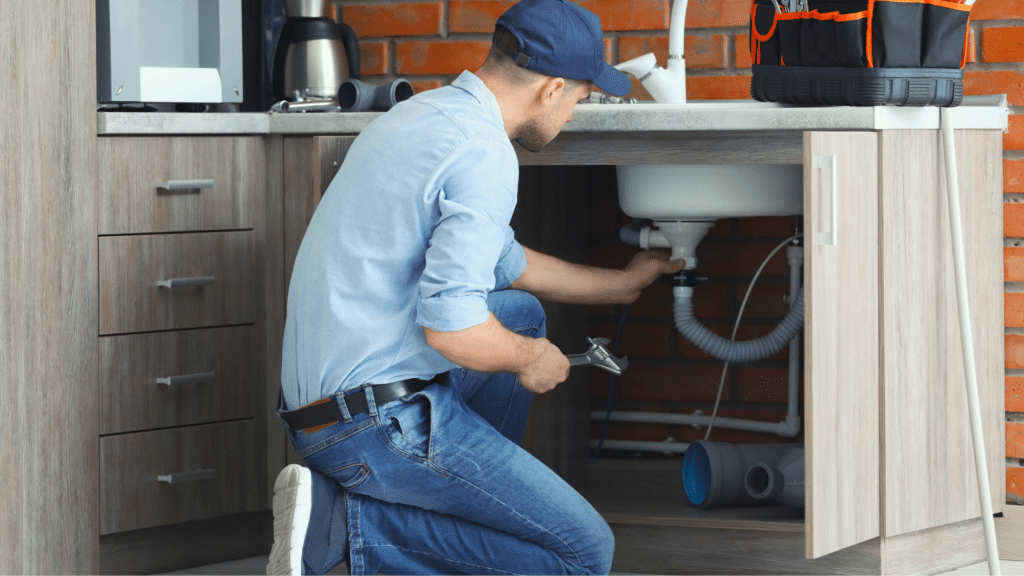
Plumbing issues in commercial properties aren’t just inconvenient—they can be costly, disruptive, and in some cases, damaging to your reputation. Whether it’s a hidden leak, a blocked sewer, or water pressure dropping unexpectedly during peak hours, such problems can bring business operations to a halt. For companies in Sydney and across Australia, investing in professional commercial plumbing services is essential to ensuring business continuity, regulatory compliance, and customer satisfaction.
In this post, we’ll explore what commercial plumbing is, how it differs from residential services, and why professional maintenance is so important for business premises.
What Is Commercial Plumbing?
Commercial plumbing refers to the installation, maintenance, and repair of plumbing systems within commercial buildings. These include offices, schools, shopping centres, hospitals, industrial facilities, restaurants, and any other non-residential space that serves the public or employs staff.
The scope of commercial plumbing is broad. It doesn’t just cover taps and toilets; it often involves entire infrastructure systems such as hot water systems, fire sprinkler networks, grease traps, backflow prevention, sewer and stormwater systems, and even gas fitting. Because these systems serve many people and must function around the clock, the plumbing requirements are far more complex than in a domestic setting.
The Role of a Commercial Plumber
A qualified commercial plumber is responsible not just for responding to emergencies, but also for preventing them. Their role typically includes:
- Installing water supply and waste systems in new buildings or during refurbishments
- Maintaining and testing hot water units and thermostatic mixing valves
- Diagnosing issues such as hidden leaks, water hammer, or sewer smells
- Clearing blocked drains using advanced techniques
- Installing and servicing gas appliances and systems in commercial kitchens
- Performing scheduled preventative maintenance, as required by local compliance standards
- Providing emergency services when urgent problems arise
In larger or more complex projects, commercial plumbers may also work closely with other trades such as engineers, architects, strata managers, or building contractors.
Why Preventative Maintenance Is Essential
In a residential setting, it’s common to wait until something breaks before calling a plumber. But for businesses, this reactive approach can be risky and expensive. Preventative maintenance is a proactive strategy that helps detect issues early—before they escalate into emergencies.
For example, a silent leak in a commercial pipe system may go unnoticed for weeks, slowly causing water damage behind walls or ceilings. By the time it becomes visible, it might have already compromised the building structure, leading to significant repair costs. A commercial plumber, during routine inspections, would be able to identify the issue early using specialised tools.
Regular maintenance can also help avoid common disruptions such as blocked toilets, clogged kitchen drains, or gas appliance failures. In many industries, including hospitality and healthcare, these aren’t just inconveniences—they’re compliance issues that could lead to temporary closure or fines.
Choosing the Right Commercial Plumber
Selecting a commercial plumber is not a decision to take lightly. Here are a few key considerations when hiring someone to handle your business’s plumbing:
Experience in Commercial Work
Not all plumbers have experience in commercial environments. It’s important to choose a professional who understands the demands of large-scale systems and the operational realities of business premises.
Strong Track Record
Look for a plumber with a history of successful commercial projects. This might include schools, retail premises, or industrial facilities. References, case studies, and online reviews can provide valuable insights.
Licensing and Insurance
Your plumber should hold a valid licence to operate in New South Wales. You can verify this through government databases such as the MyServiceNSW Register. They should also be fully insured and able to issue a Certificate of Compliance after every job.
24/7 Emergency Availability
Plumbing emergencies don’t follow a 9 to 5 schedule. A reliable commercial plumber should offer round-the-clock availability to handle urgent issues quickly, protecting your business from further disruption.
Commitment to Compliance
From fire sprinklers to backflow prevention devices, there are legal standards and inspections that apply to commercial buildings. A qualified plumber will ensure your business stays compliant with the Plumbing Code of Australia and other relevant regulations.
Common Services in Commercial Plumbing
A commercial plumber may provide a wide array of services tailored to the needs of business clients, including:
- Clearing and repairing blocked drains
- Gas fitting and appliance maintenance
- Leak detection and pipe repairs
- Hot water system servicing
- TMV testing and replacement
- Fire sprinkler system installation and maintenance
- Grease trap cleaning for hospitality venues
- Roof and stormwater drainage maintenance
- Scheduled inspections for strata-managed properties
Final Thoughts
Commercial plumbing is an essential yet often overlooked part of running a successful business. From maintaining customer-facing facilities like bathrooms to ensuring safe gas and water systems behind the scenes, professional plumbers play a key role in business continuity, safety, and compliance.
By partnering with a qualified commercial plumber who understands the unique needs of your industry, you can prevent costly emergencies, ensure regulatory compliance, and give your staff and customers a safer, more reliable environment.
For business owners across Sydney, staying proactive about commercial plumbing isn’t just good practice—it’s good business.