


by Alice Crisp at Just for Kids Physio
If you’re a parent of an active child or a young athlete who complains of knee pain, chances are you’ve heard of Osgood-Schlatter disease. This condition, although not serious in the long term, can cause discomfort and affect participation in sports and daily activities. In this blog post, we’ll delve into what Osgood-Schlatter disease is, its causes, symptoms, and most importantly, how physiotherapy can help manage and treat if effectively.
What is Osgood-Schlatter Disease?
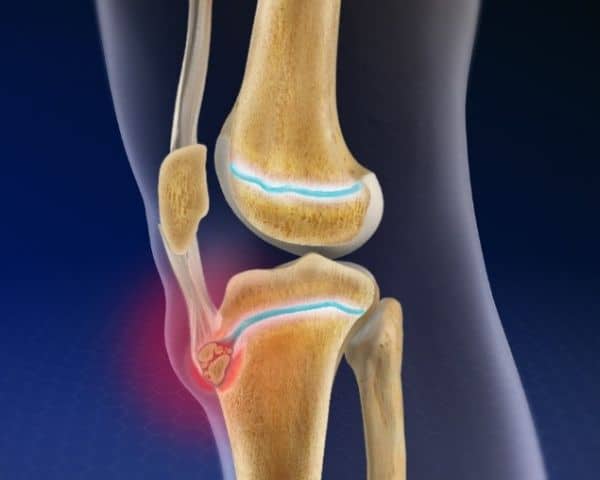
Osgood-Schlatter disease is a common condition among adolescents, typically those who participate in sports that involve running, jumping, and quick changes of direction. It is characterised by inflammation of the patellar ligament and the area just below the knee where the tendon from the kneecap (patellar tendon) attaches to the shinbone (tibia). This area becomes painful and swollen, especially during physical activity and sometimes even with daily movements.
Causes and Risk Factors
The primary cause of Osgood-Schlatter disease is repetitive stress or overuse of the knee joint during a period of rapid growth. This stress causes the patellar tendon to pull on the immature tibial growth plate, leading to inflammation and pain. Some common risk factors include:
- Age and Growth Spurts: Typically occurs during growth spurts, usually between the ages of 10 to 15 in boys and 8 to 13 in girls.
- Physical Activity: Participation in sports such as soccer, basketball, gymnastics, and running that involve repetitive stress on the knees.
- Biomechanical Factors: Issues with knee alignment, muscle tightness (especially in the quadriceps and hamstrings), or weakness in the core and hip muscles.
Signs and Symptoms
The most common symptom of Osgood-Schlatter disease is knee pain, which may worsen with physical activity and improve with rest. Other signs and symptoms include:
- Swelling or a bump below the kneecap
- Tenderness to touch at the tibial tubercle (bony prominence just below the knee)
- Tightness or stiffness in the thigh muscles
- Difficulty with activities like kneeling or climbing stairs
Physiotherapy Management
Physiotherapy plays a crucial role in managing Osgood-Schlatter disease, focusing on reducing pain, improving knee function, and preventing recurrence. Here are some key aspects of physiotherapy treatment:
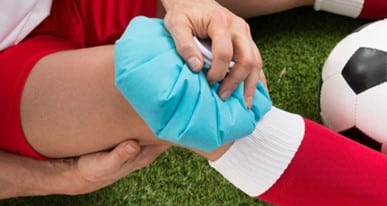
- Pain Management: Initially, the focus is on reducing pain and inflammation with treatments such as ice therapy, taping and bracing. Rest and activity modification are also essential to allow the knee to heal.
- Stretching and Strengthening Exercises: A physiotherapist will prescribe specific exercises to stretch tight muscles (especially the quadriceps and hamstrings) and strengthen the muscles around the knee joint and core. Strengthening exercises help improve biomechanics and reduce strain on the knee.
- Manual Therapy: Hands-on techniques such as massage may be used to improve knee joint mobility and reduce muscle tightness.
- Education and Activity Modification: Educating the patient and their family about the condition, proper warm-up techniques, and modifications in activity levels can prevent worsening of symptoms and promote recovery.
- Gradual Return to Activity: As symptoms improve, a gradual return to sports and physical activities is guided by the physiotherapist to prevent recurrence of pain.
Prevention
While Osgood-Schlatter disease cannot always be prevented, certain measures can reduce its likelihood:
- Proper Technique: Emphasise proper technique and form during sports and exercises
- Warm-Up and Cool Down: Always warm up before physical activity and cool down afterwards to prevent muscle tightness
- Strength and Flexibility: Maintain good muscle strength and flexibility, especially in the quadriceps, hamstrings, and core muscles
- Activity Modification: Avoid over-training and allow adequate rest periods between activities
Conclusion
Osgood-Schlatter disease can be a challenging condition for young athletes and active children, but with the right approach, including physiotherapy, most individuals can manage symptoms effectively and return to their normal activities. If your child is experiencing knee pain or swelling, it’s essential to consult a healthcare professional for an accurate diagnosis and appropriate treatment plan. With proper care and guidance, they can recover fully and continue enjoying their favourite sports and activities pain-free.