




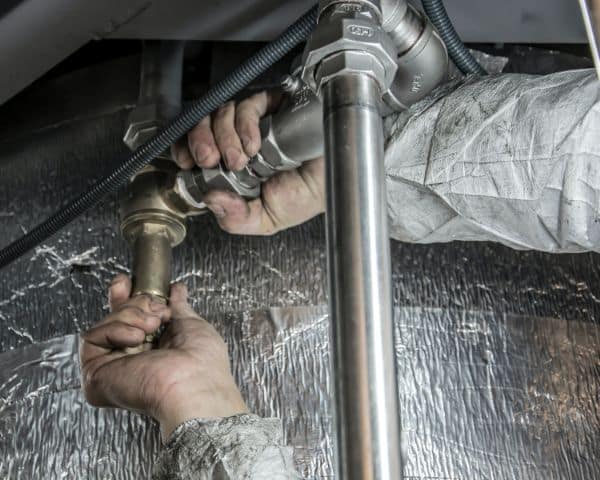
In the realm of homeownership, few things can be as disruptive and costly as plumbing emergencies. Burst pipes, clogged drains, and malfunctioning water heaters can quickly turn into a nightmare if left unattended. The key to avoiding such unexpected crises lies in the proactive approach of regular plumbing maintenance.
This article explores the significance of routine plumbing upkeep, emphasising its role in preventing emergencies. From the benefits of periodic inspections to the importance of professional servicing, we’ll delve into the comprehensive measures that homeowners can adopt to ensure their plumbing systems remain in optimal condition.
Benefits of Routine Inspections
Regular plumbing inspections serve as the first line of defence against potential emergencies. Homeowners often underestimate the wear and tear that plumbing systems endure over time. Small leaks, hidden corrosion, or deteriorating pipes may go unnoticed until they escalate into major issues. Scheduled inspections, however, allow professionals to identify and address these concerns before they spiral out of control.
During an inspection, local plumbers can assess the overall health of the plumbing system, identify weak points, and detect any signs of potential trouble. This proactive approach enables timely intervention, preventing minor issues from escalating into emergencies that could lead to significant property damage and costly repairs.
Cleaning and Preventive Measures
Beyond inspections, routine cleaning forms an integral part of plumbing maintenance. Over time, pipes accumulate debris, mineral deposits, and sludge that can impede water flow and cause blockages. Regular cleaning helps to clear these obstructions, ensuring that water can flow freely through the pipes. Moreover, it prevents the buildup of substances that could corrode the pipes or damage fixtures.
Homeowners can take proactive measures to keep their plumbing systems in good condition. Implementing simple practices, such as using drain screens to catch debris, avoiding the disposal of grease down the drain, and refraining from flushing non-biodegradable items, contributes to the prevention of clogs and blockages. These preventive measures, when coupled with routine professional cleaning, create a robust defence against potential plumbing emergencies.
Servicing for Optimal Functionality
Plumbing systems are intricate networks of pipes, fixtures, and appliances that work together to provide essential services in a home. To ensure optimal functionality, these components require regular servicing. Water heaters, for instance, should be flushed periodically to remove sediment that accumulates at the bottom of the tank. Faucets and showerheads may need descaling to maintain water pressure and prevent mineral buildup.
Professional plumbers possess the expertise to service various components of a plumbing system effectively. From inspecting and adjusting water pressure to checking for leaks and ensuring proper insulation, their comprehensive approach contributes to the overall longevity of the plumbing infrastructure. Homeowners should consider scheduling professional plumbing maintenance at least once a year to address issues that may not be apparent during routine inspections.
Checklist for Homeowners
For homeowners keen on safeguarding their properties from plumbing emergencies, adopting a proactive approach is paramount. A checklist can serve as a handy guide to ensure that all aspects of plumbing maintenance are covered:
1. Scheduled Inspections: Arrange for annual plumbing inspections by a qualified professional to identify potential issues before they escalate.
2. Routine Cleaning: Regularly clean drains, gutters, and fixtures to prevent blockages and ensure the smooth flow of water.
3. Preventive Measures: Implement practices such as using drain screens, avoiding the disposal of grease, and refraining from flushing non-biodegradable items to prevent clogs.
4. Water Heater Maintenance: Flush the water heater periodically to remove sediment and ensure efficient operation.
5. Appliance Servicing: Schedule professional servicing for plumbing appliances such as water heaters, washing machines, and dishwashers to maintain optimal functionality.
6. Leak Detection: Keep an eye out for signs of water leaks, such as damp spots, water stains, or unexplained increases in water bills, and address them promptly.
Conclusion
In conclusion, the importance of regular plumbing maintenance cannot be overstated when it comes to avoiding emergencies. The proactive measures of routine inspections, cleaning, and professional servicing contribute to the overall health and longevity of a home’s plumbing system.
By adopting a checklist and staying vigilant for potential issues, homeowners can significantly reduce the risk of plumbing emergencies, saving both time and money in the long run. Investing in preventive measures today ensures a smooth and worry-free plumbing experience tomorrow.