





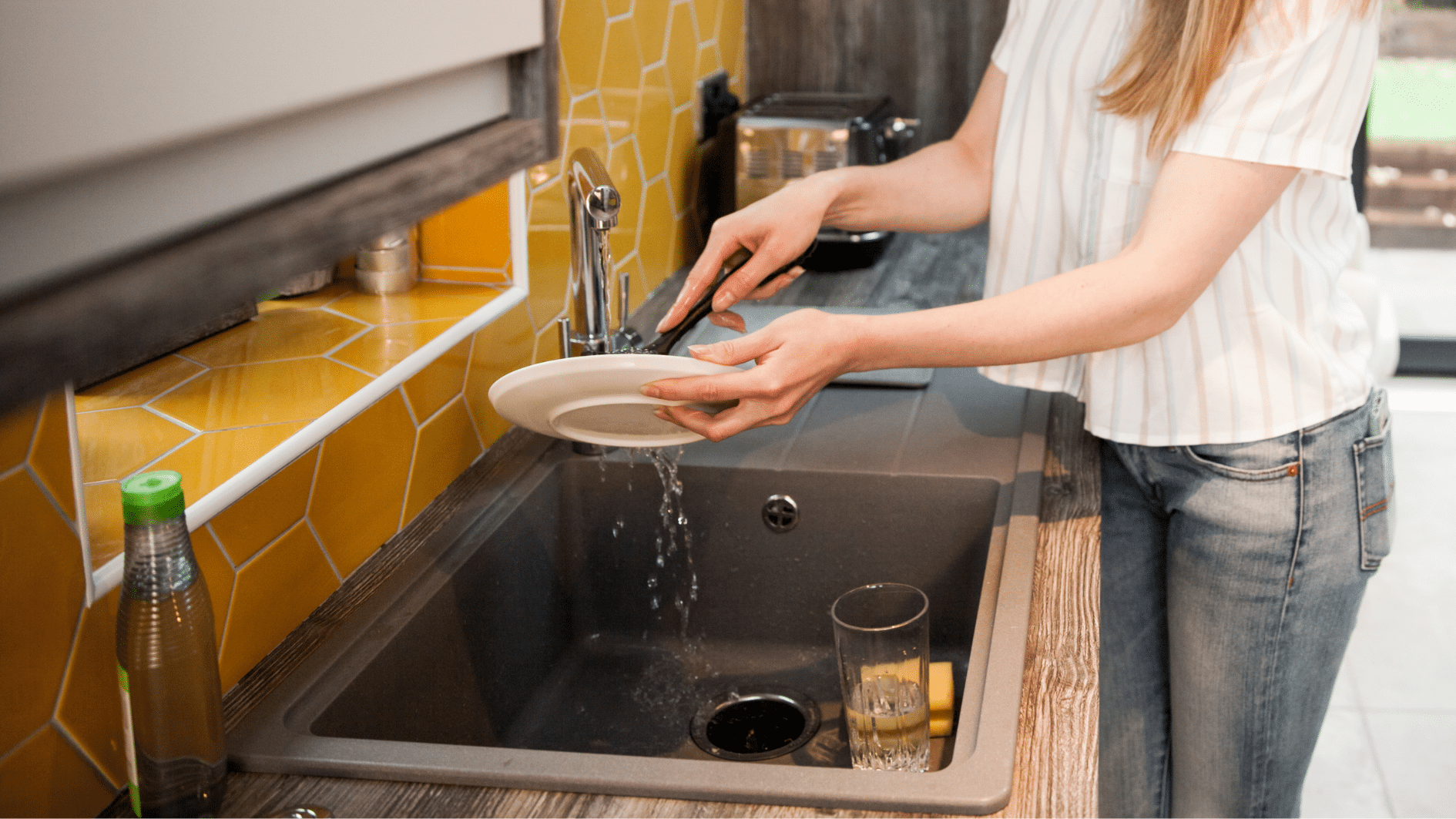
This week, we received an email from Sydney Water, and honestly, we had to take pen to paper to write an article for all of you in case you hadn’t seen it. What they revealed about our wastewater system is truly shocking, especially the staggering cost involved!
You know how it is, sometimes we’re in a hurry, or we just don’t think. A little bit of leftover cooking oil, a splash of milk, or a few rogue food scraps might slip down the drain, seemingly “out of sight, out of mind.” But what Sydney Water has highlighted reveals a much bigger, more expensive problem brewing beneath our very homes.
The Eye-Watering Truth: $27 Million Annually!
Sydney Water is spending an astonishing up to $27 million every single year managing and clearing a whopping 20,000 blockages from our wastewater system. Let that sink in for a moment. $27 million! This isn’t just about big industrial waste; a significant portion of these blockages are caused by everyday household items that we unknowingly (or perhaps, knowingly) flush or pour down our sinks.
Their new campaign, “SAVE OUR SINKS,” is a crucial reminder for all of us about what truly belongs down the drain. As their catchy (and slightly unsettling!) “singing sink” reminds us: only water, detergent, and soap down the sink!
What’s Clogging Up Our Pipes (and Costing Us Millions)?
The email detailed the main culprits, and it’s worth taking note:
Fats, Oils & Grease (FOGs): Think about that bacon grease or leftover oil from frying. When these hit your cold pipes, they solidify, clinging to the pipe walls and building up over time. This is a primary cause of major blockages in your home’s pipes and the wider sewer system.
Instead: Wipe greasy pans with a paper towel and bin it. Pour cooled FOGs into a container and once full, throw it in the bin.
Milk: Surprisingly, the fats in milk can also solidify and accumulate on pipe walls, leading to blockages and potential drain overflows.
Instead: Mix old milk with water and give your plants a drink, or simply put the milk container in the bin.
Food Scraps & Coffee Grounds: These might seem small, but they don’t dissolve. When wet, they clump together and stick to pipes, becoming prime candidates for blockages.
Instead: Food scraps belong in the bin. Use a sink strainer when washing dishes. Coffee grounds can go in the bin or your compost.
Paint & Chemicals: These are a big no-no. Not only can they harden and cause blockages, but they can also be harmful to the environment.
Instead: For small paint projects, wipe paint from brushes and palettes with a paper towel before rinsing. For larger amounts, seal containers tightly and take them to your closest council disposal centre or a household Chemical CleanOut event.
Why Does This Matter to Us?
Beyond the massive public cost, these blockages can cause serious headaches (and expenses!) for individual households. Imagine a blocked drain in your own home of overflowing sinks, foul odours, and the cost of calling a plumber. By being mindful of what goes down our sinks, we can:
- Save Money: Reduce the likelihood of expensive plumbing bills at home.
- Protect Our Environment: Prevent harmful substances from entering our waterways.
- Contribute to a Healthier System: Help Sydney Water allocate those $27 million to other vital water infrastructure projects, rather than just clearing preventable blockages.
It’s clear that a little extra effort at the sink can go a long way in saving our pipes, our wallets, and our beautiful Northern Beaches environment. Let’s all do our part to keep our sinks flowing freely and our wastewater system healthy!