




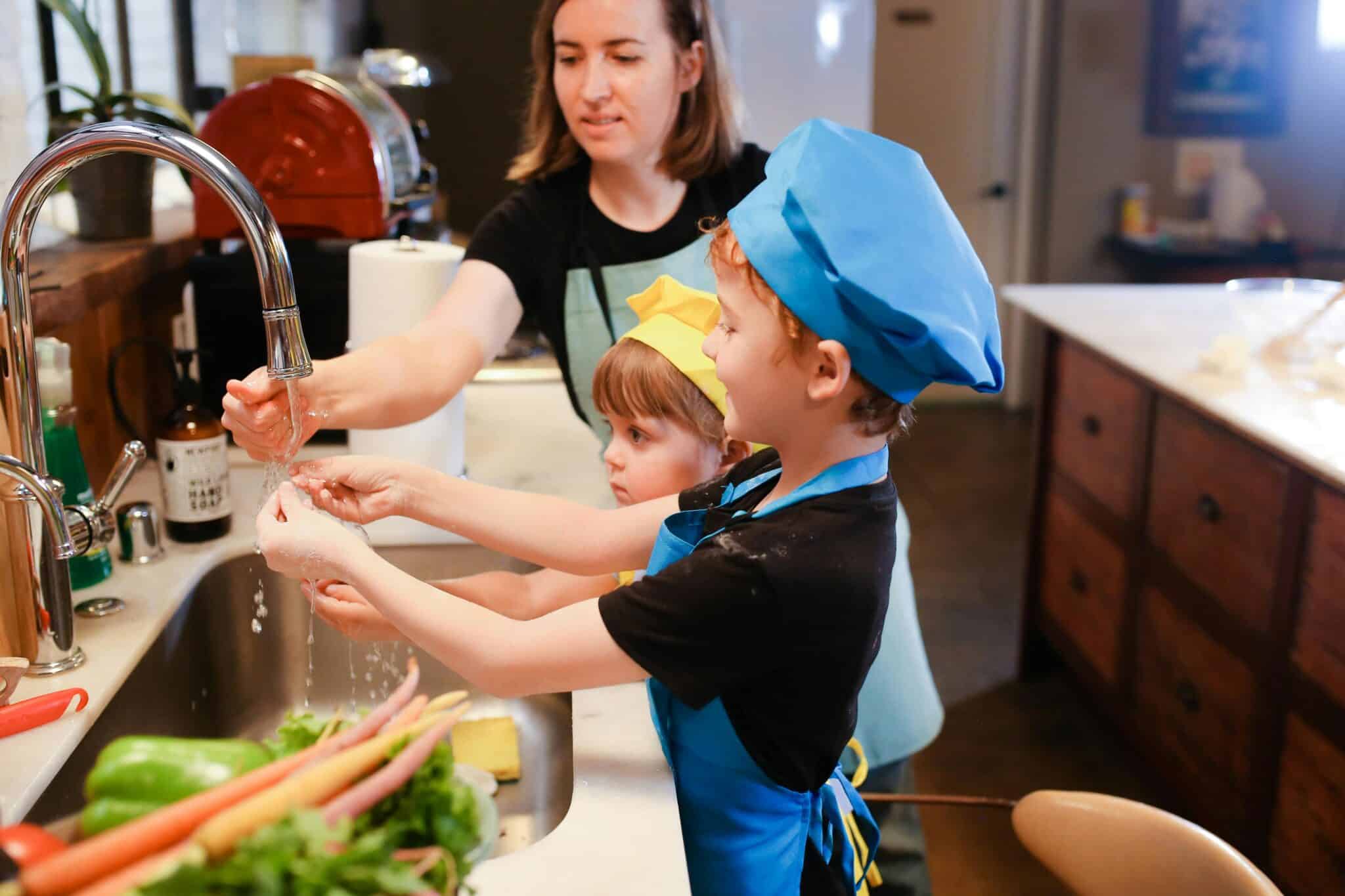
Photo credit: https://www.pexels.com/photo/children-in-chef-hats-washing-hands-in-the-kitchen-sink-5593616/
You walk into the bathroom just in time to see your toddler waving goodbye to a plastic dinosaur as it swirls toward the abyss.
It is a heart-stopping moment for any homeowner.
To a child, the toilet is a magical portal that makes unwanted things vanish instantly. To your plumbing, however, that dinosaur is a jagged obstruction that leads to a midnight call for a plumber and a very messy floor.
Teaching your children about drain safety is a practical necessity that protects your home and your bank account. If you take the time to explain how the system works, you turn a potential disaster into a lesson in household responsibility.
Why Drains Capture a Child’s Curiosity
Children explore the world by testing how things work. When they see water flowing down a drain, curiosity naturally kicks in. A few common habits explain why kids become interested in sinks and toilets:
- Dropping objects into water to see what happens
- Testing how liquids move through a sink
- Treating drains like a small science experiment
That curiosity is normal, and once you explain how pipes work behind your walls, kids begin to understand that drains have limits and that certain items belong in the bin.
Simple Drain Rule You Can Teach Your Kids
Not sure how to explain plumbing rules to your kids?
Drains are designed for water and small amounts of products used during normal washing routines. You can explain it simply by telling your child that drains are like tiny roads inside the walls, and when something too big goes in, it blocks the way and causes everything to back up. Tell them that only these things should go down the drain:
- Water from washing hands or brushing teeth
- Soap, shampoo, and body wash during cleaning
- Small amounts of toothpaste
- Rinse water from light dishwashing
Reinforcing this simple rule helps protect your pipes and reduces the chances of clogs forming inside your home’s plumbing system.
What Should NEVER Go Down the Drain
When solid materials enter the pipes, they can catch on rough spots, collect debris, and slowly form a blockage. Teaching kids early that drains are not trash bins helps prevent many common household plumbing problems. Explain to your kids that the drain is not designed for these items:
- Food scraps
- Cooking oil or grease
- Paper towels
- Wet wipes
- Cotton buds
- Hair in large clumps
- Toys or small objects
These items do not break down easily and can block the narrow sections of your plumbing system. Once something gets stuck, it traps other debris and stops water from flowing through the pipes.
Bathroom Drains vs Kitchen Drains
Bathroom and kitchen drains handle different types of waste. Explaining these differences helps kids understand why each drain has its own set of rules.
| Bathroom Drains | Kitchen Drains |
| When hair goes down the drain, the strands tangle together inside the pipe and start catching soap and other debris. | When you rinse a greasy pan, it goes down the drain easily at first, but once it cools in the pipe it sticks to the walls. |
| If a toothpaste cap or small toy falls into the sink, it can get stuck inside the pipe where water needs to flow. | Rice, pasta, and food scraps can collect inside the pipe and make it harder for water to flow through. |
When you show your kids how tiny objects disappear into the drain and teach them to scrape food into the bin before rinsing dishes, they begin to understand that sinks are not trash bins. These simple habits help keep both bathroom and kitchen drains clear and prevent buildup inside your pipes.
Practical Ways to Teach Your Kids Drain Rules
Simple explanations, quick demonstrations, and everyday habits help your kids understand why drains have limits. One approach is having short conversations while using the sink or shower. You might ask questions like:
“Where does the water go?”
“Into the pipes under the house.”
“And what should go into those pipes?”
“Only water and small amounts of soap.”
These quick conversations help your younger kids understand the basics while reminding older children that drains are part of a working system inside the home.
Make Drain Rules Visible and Easy to Remember
A visual reminder works well for younger children and still reinforces the household rule for older kids and teens. You can also show simple examples around the house that demonstrate what causes clogs:
- Hair collecting on a shower drain screen
- Grease buildup in a kitchen sink strainer
- Food scraps trapped in the kitchen drain basket
- Soap residue forming around bathroom drains
- Small objects caught near the sink drain opening
Seeing these everyday examples help kids and teens understand how easily debris collects inside the pipes and why drain rules matter.
How to Recognize Early Signs of a Drain Blockage
Even with proper household habits, residue can build up inside plumbing pipes over time. Identifying early warning signs allows you to address the issue before a minor obstruction turns into a full blockage.
Watch for these indicators:
- Water draining slowly from sinks
- Gurgling sounds coming from pipes
- Unpleasant odours rising from drain openings
- Recurring minor clogs in the same fixture
According to Brisbane Drain Cleaning, slow drainage and pipe noises point to buildup forming along the inner pipe walls. Taking action at this stage helps prevent larger blockages inside your plumbing system.
Small Lessons That Protect Your Home’s Plumbing
When children understand how pipes work, they develop habits that keep water flowing smoothly. Clear rules about food scraps, wipes, grease, and small objects prevent most household clogs. These habits reduce the chance of backups, odours, and emergency plumbing visits. The next time your child asks where the water goes, use the opportunity to explain how the pipes beneath your home carry it away. Simple knowledge leads to smarter habits and a healthier plumbing system for the entire household.