




by Grace Larson
As the chill rolls in, so do the inevitable winter bugs. If you’re a parent, you’ve probably already stocked up on tissues, paracetamol, and eucalyptus oil. From daycare drop-offs to playground catch-ups, winter viruses seem to spread faster than you can say “bless you.”
How Often Do Kids Get Sick?
It’s completely normal for young children to get 6 to 12 viral infections per year, especially in the first few years of life. That’s about one every month—more if they’re in daycare or have older siblings bringing germs home. While these repeated illnesses can be exhausting, they do help build a child’s immune system over time.
The Usual Suspects
1. The Common Cold
Colds are caused by viruses and typically involve a runny nose, sneezing, mild cough, and low-grade fever (under 38.4 degrees). They usually last 7–10 days and don’t require antibiotics. Rest, hydration, and plenty of cuddles are your best tools.
2. Influenza (Flu)
The flu can knock little ones around with high fevers (above 38.5 degrees), body aches, headaches, and fatigue. The flu vaccine is free in NSW for all children aged 6 months to under 5 years and strongly recommended for school-aged kids too. It’s safe, quick, and helps prevent serious illness.
3. RSV and Bronchiolitis
Respiratory Syncytial Virus (RSV) is one of the most common causes of bronchiolitis in babies. It affects the lower lungs and can lead to wheezing, fast breathing, poor feeding, and hospital admission in infants under 12 months. From 3 February 2025, the maternal RSV vaccine is free for pregnant women to protect their babies from RSV. It is safe to be given anytime between 28 and 36 weeks of pregnancy, but is usually given at 28 weeks.
4. Gastroenteritis
Vomiting and diarrhoea are often caused by viruses like rotavirus or norovirus. The biggest concern here is dehydration—offer small, frequent sips of fluid and seek help if your child becomes lethargic or stops weeing.
Snotty Noses and Feeding Tips
Babies with blocked noses can struggle to breastfeed or bottle-feed. Try:
- Using saline nasal drops or spray before feeds
- Suctioning with a bulb syringe or nasal aspirator
- Keeping baby upright during and after feeding
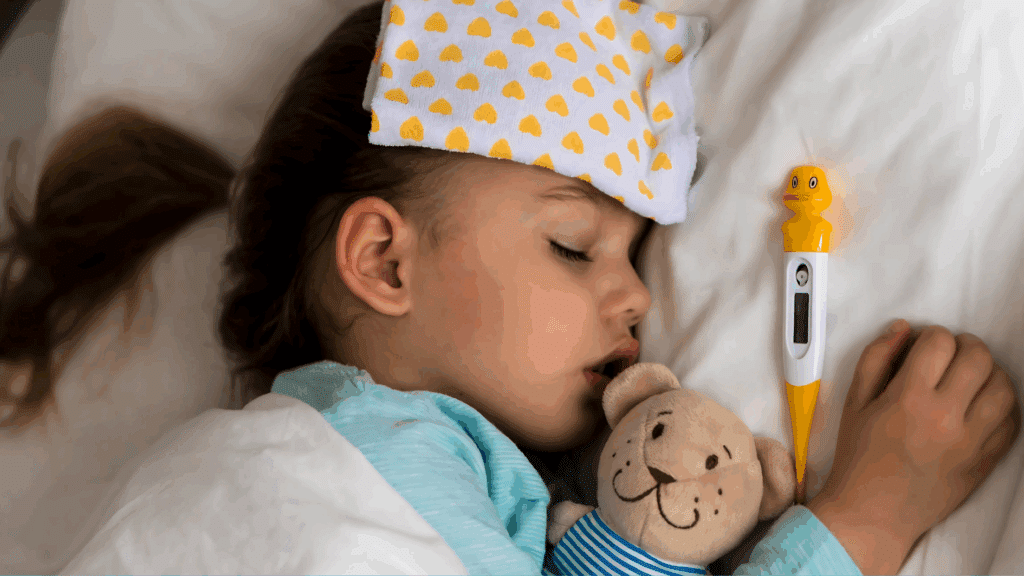
Managing Fevers Safely
Fever is part of the body’s immune response and doesn’t always require medication.
If your child is uncomfortable:
- Paracetamol can be given from 1 month old
- Ibuprofen is generally safe from 3 months of age and over 6 kg, but always check the label, consult your pharmacist, and avoid it if your child is dehydrated or vomiting
Focus on comfort, plenty of fluids, and rest.
A Word on Antibiotics
Most winter illnesses in children are viral—not bacterial—which means antibiotics won’t help. Giving antibiotics when they’re not needed can lead to side effects like diarrhoea, rashes, and contributes to antibiotic resistance, making it harder to treat real bacterial infections later on. Your GP will only prescribe antibiotics when there’s clear evidence of a bacterial infection, such as strep throat, bacterial pneumonia, or ear infections with pus.
When to See a Doctor
Seek medical help if your child:
- Is under 3 months with a fever
- Has difficulty breathing or is breathing rapidly
- Is floppy, drowsy, or hard to wake
- Has signs of dehydration (dry mouth, sunken eyes, few wet nappies)
- Has a rash that doesn’t fade when pressed (non-blanching rash)
- Has a fever lasting more than 2–3 days
- If you are concerned about your child
You’ve Got This
Winter with kids can feel relentless—but you’re not alone. If in doubt, contact your GP, visit your local pharmacist, or call HealthDirect (1800 022 222) for free 24/7 advice from a registered nurse.
You’re doing an incredible job—hang in there, mums. Spring is just around the corner.
Please note: This information is general in nature and is not a substitute for professional medical advice. Always consult your healthcare provider for advice specific to your child’s health.
About Author
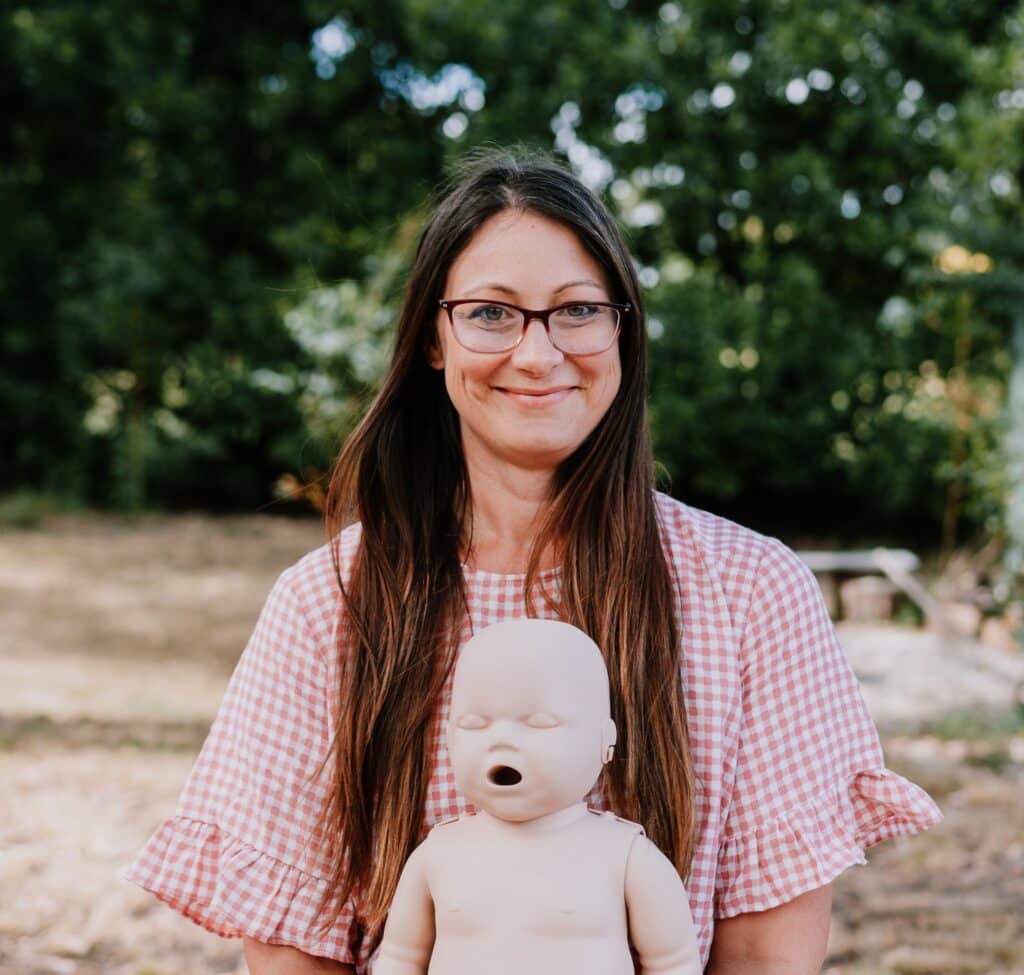
Grace Larson is a paediatric intensive care nurse, educator, and co-founder of The Sisterhood Project—an award-winning not-for-profit dedicated to improving access to lifesaving health education for families across Australia. With over 20 years’ experience in child health, Grace is passionate about empowering parents with the tools and knowledge they need to care for their children with confidence. She lives in rural Victoria with her husband and three children, and spends her days juggling healthcare, community advocacy, and muddy school shoes.