





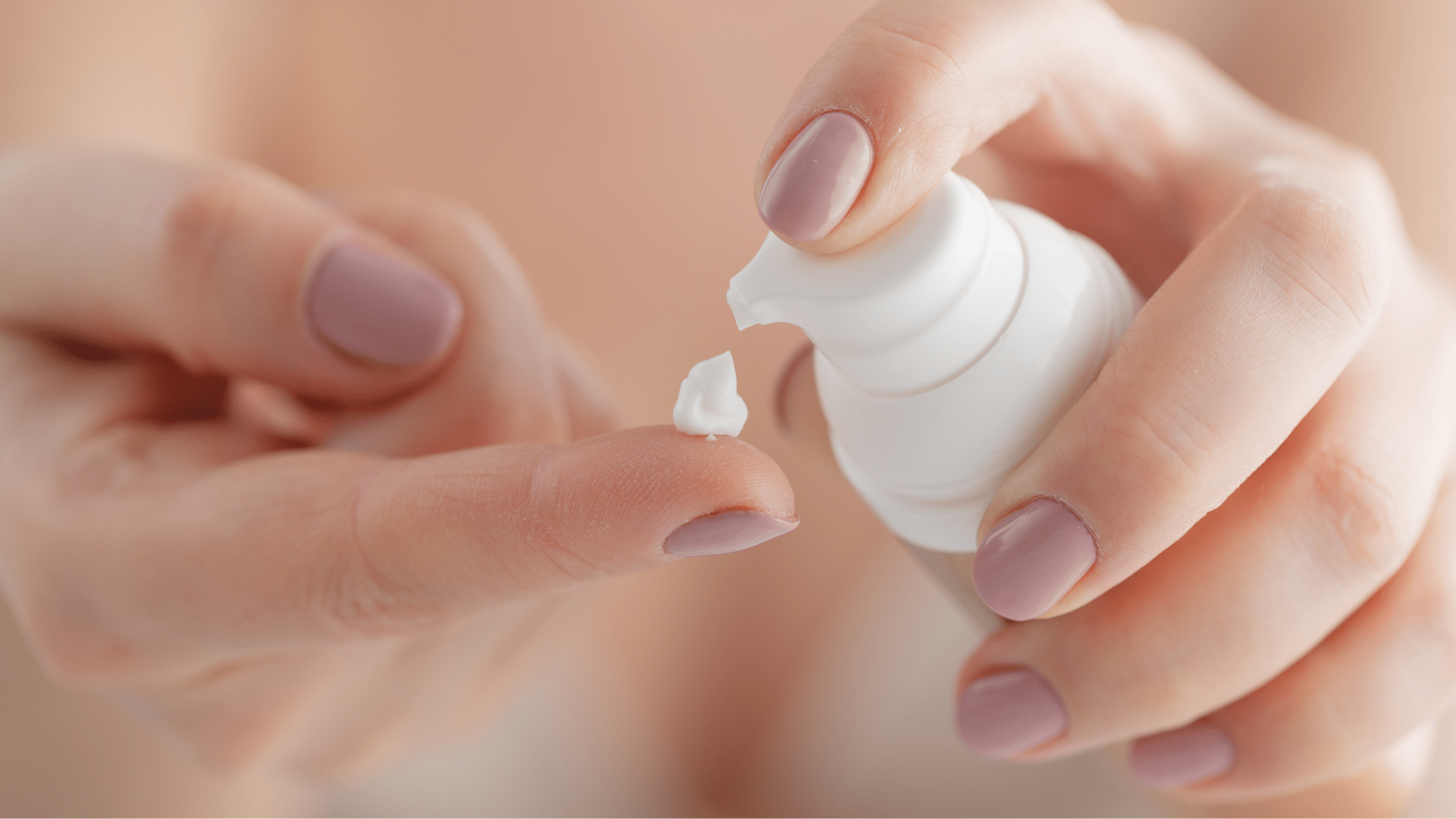
A lot of people throughout the world have sensitive skin, which is a common problem. Your skin barrier may be damaged if you’ve ever had redness that won’t go away, breakouts that come out of nowhere, or a tight sensation all the time. Your body’s first line of defence is a strong skin barrier. It protects you from environmental things that might hurt you and keeps moisture in.
This article will provide you with a clear, step-by-step plan on how to develop a strong regimen for mending your skin barrier if you have sensitive skin.
Learning about the skin barrier
Your skin barrier, or stratum corneum, is the outermost layer of your epidermis. People sometimes compare it to a brick wall. Its main job is to keep your body safe from outside hazards like germs, allergies, and pollutants and to keep your skin moisturised and supple by stopping too much water from leaving.
The skin cells that make up this important barrier look like “bricks.” They are kept together by a lipid matrix, or “mortar,” mostly made of ceramides, fatty acids, and cholesterol. Your skin works best when this complex structure is in good shape. But if your barrier is weak, it can cause many problems, making your skin more likely to get dry, irritated, and inflamed. Healthline says, “A damaged skin barrier can make your skin more sensitive to irritants and lose moisture.”
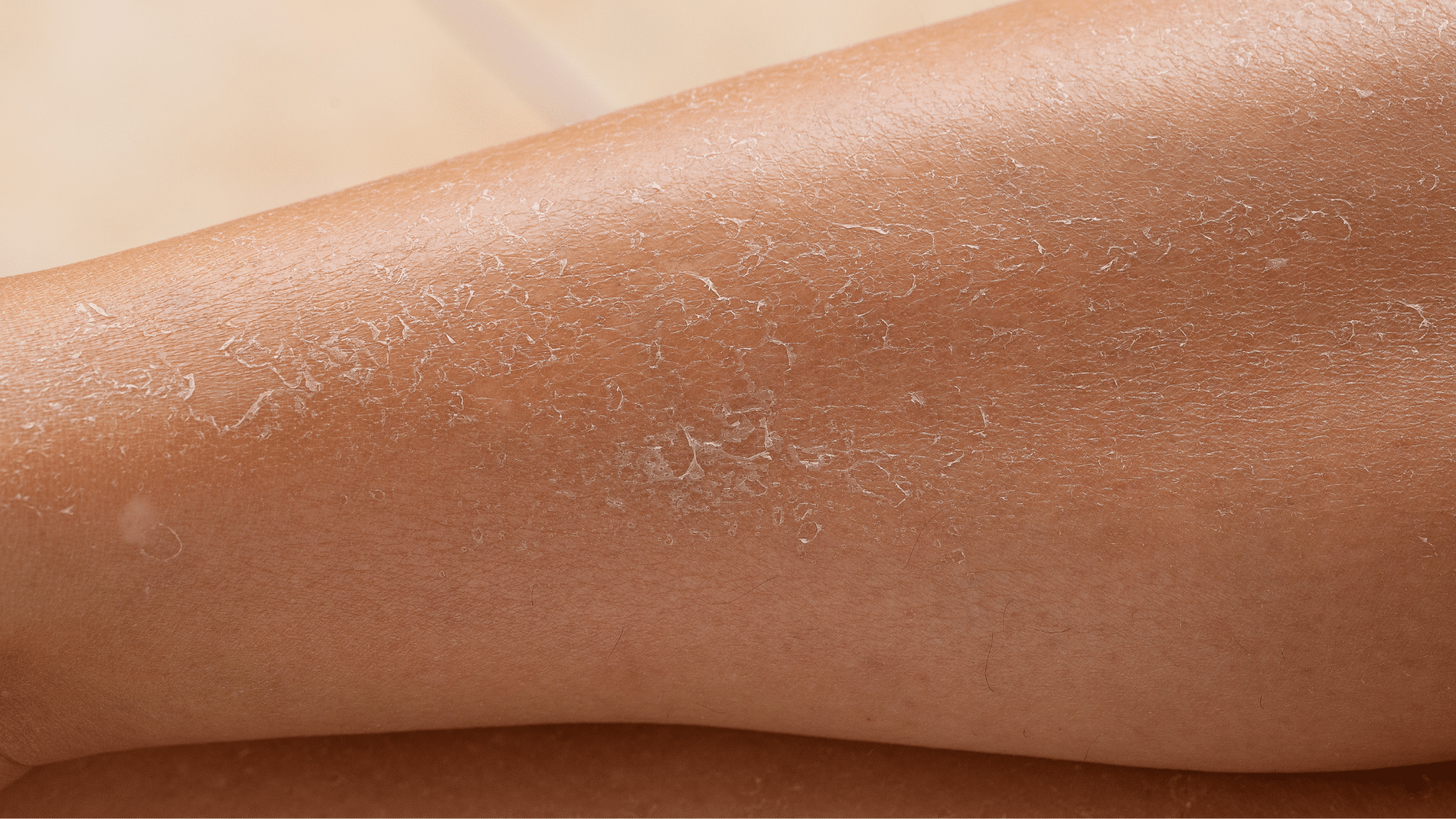
Signs that your skin barrier is broken
The first step in fixing a broken skin barrier is to know what to look for. Even though symptoms might be different, some common signs are:
- Swelling and redness: Your skin may look red or swollen, especially after washing it or being outside.
- Dryness and flakiness: If your skin stays dry even after moisturising and you see flaky spots, these are clear symptoms.
- More sensitive: Things that used to feel fine may now hurt, sting, or itch.
- Breakouts or acne: A barrier that isn’t as strong might let bacteria in more readily, which can cause unexpected blemishes.
- Feeling tight or uncomfortable: A persistent sense of tightness, especially after you wash your face.
Checklist for Self-Assessment
Use this checklist to help you find possible damage to the barrier.
- Swelling and redness: Your skin may look red or swollen, especially after washing it or being outside.
- Dryness and flakiness: If your skin stays dry even after moisturising and you see flaky spots, these are clear symptoms.
- More sensitive: Things that used to feel fine may now hurt, sting, or itch.
- Breakouts or acne: A barrier that isn’t as strong might let bacteria in more readily, which can cause unexpected blemishes.
- Feeling tight or uncomfortable: A persistent sense of tightness, especially after you wash your face.
If you answered yes to many of them, a compromised skin barrier probably causes your sensitive skin problems.

Things that often damage barriers
It’s important to know what causes barrier damage so that you can stop it and fix it properly. You may group these into two main groups: external and internal influences.
External Factors:
- Too much exfoliation: Using too many physical scrubs or chemical exfoliants (such as AHAs, BHAs, and retinoids) can remove the lipid layer that protects the skin. A Reddit thread on skincare says, “Over-exfoliation is one of the quickest ways to wreck your barrier.”
- Skincare products that are too harsh: Strong sulfates, excessive alcohol or perfumes, and abrasive equipment may all remove natural oils and break down the barrier.
- Things that stress the environment: Pollution, strong winds, very hot or cold weather, and too much UV radiation can all make the skin’s defensive system weaker.
Internal Factors:
- Bad diet: Insufficient vitamins, antioxidants, and vital fatty acids might hurt your skin health and barrier function.
- Stress: Long-term stress can cause the body to respond with inflammation, which can show up as problems with the skin barrier.
- Getting enough sleep might make the skin less resilient by slowing down its natural healing processes.
Dermatologists always say that many simple blunders damage the skin barrier without meaning to. A big part of the problem is the “more is more” approach to active chemicals, which individuals often use when they “chase trends” and simultaneously use too many strong products. This might be too much for the skin and weaken its natural defenses.
Skincare specialists generally say that for sensitive skin to work well, you should use mild, supportive products regularly, not a lot of active chemicals. Not protecting your skin from the sun daily is another big mistake, as UV rays are a key stressor for the skin barrier.
Key Ingredients for Barrier Repair
Beneficial Ingredients:
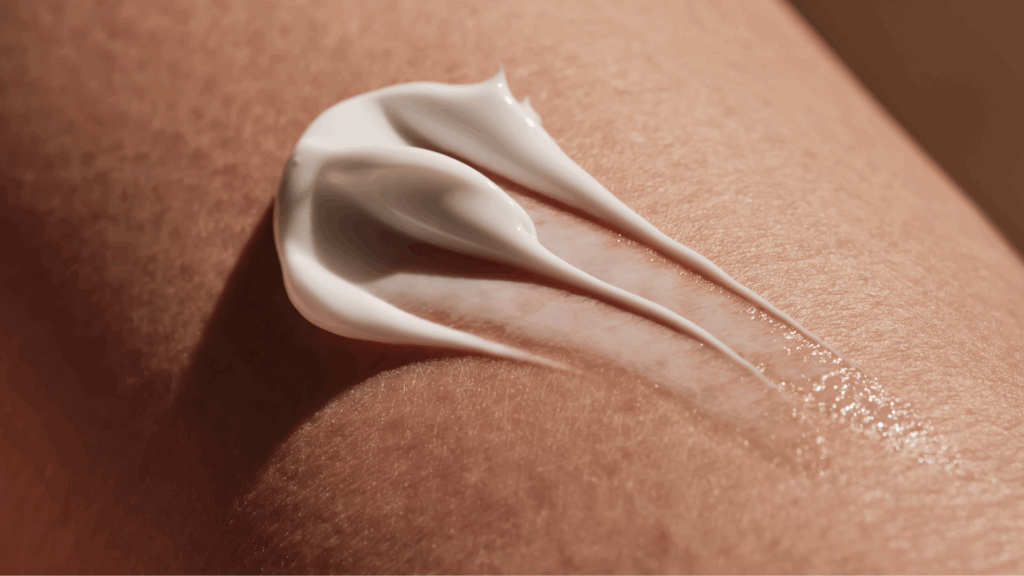
- Ceramides are important lipids that are naturally found in the skin barrier. They work like the “mortar” between skin cells. Taking ceramides as a supplement helps to restore and enhance the barrier.
- Hyaluronic acid is a strong humectant that pulls moisture from the air and seals it into the skin. This gives the skin deep hydration and makes it seem fuller.
- Vitamin B3, also known as niacinamide, is a multi-tasking substance that helps make skin more elastic, less red, and stronger by increasing ceramide synthesis.
- Vitamin B5, also known as panthenol, Panthenol is known for its ability to reduce inflammation and keep skin hydrated. It also helps the skin recover naturally.
- Squalane: Squalane is a very emollient lipid that resembles the oils in the skin. It hydrates the skin gently and helps restore its elasticity without feeling heavy.
Things to stay away from (particularly while fixing):
- Fragrances: These might bother sensitive skin and break down the barrier.
- Alcohol (denatured alcohol/ethanol): This can dry out the skin and remove its natural oils.
- Harsh exfoliants, such as physical scrubs, high-concentration AHAs/BHAs, and powerful retinoids, can weaken an already thin barrier.
Look for products that have these good elements in them in large amounts when you want to buy them.
Step-by-Step Sensitive Skin Barrier Repair Routine
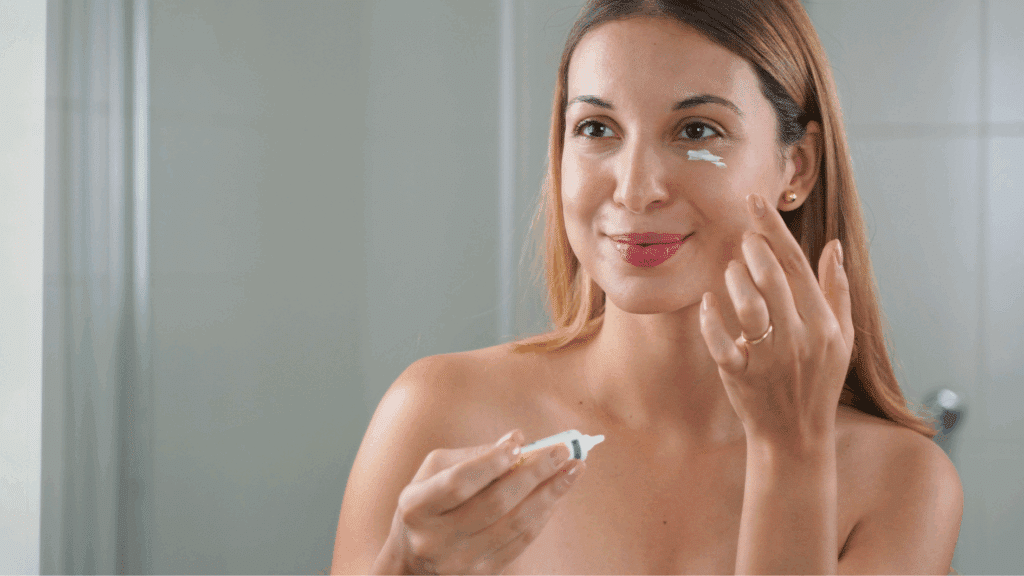
A good regimen for fixing a sensitive skin barrier is consistent and mild. This simple yet effective routine is meant to help your skin get better.
Routine for the Morning:
- Gentle Cleanser: Begin with a gentle, non-foaming cleanser that is pH-balanced. Use lukewarm water to rinse and a gentle towel to dry. Don’t rub.
- Toner for hydration (optional but suggested): A moisturising toner can help bring the pH of your skin back to normal and provide some moisture. Find toners that don’t include alcohol or scent in them.
- Serum for Barrier Repair: Put on a serum with many ceramides, niacinamide, or hyaluronic acid. Serums provide you with a lot of active chemicals in a small amount. Calecim Professional Stem Cell Serum is an excellent option because it contains more than 3,000 proteins, including growth factors, cytokines, and exosomes, which promote cell regeneration, increase hydration, and strengthen the skin barrier.
- Moisturiser with Ceramides: This is an important step; use a moisturiser containing ceramides. Pick a thick, moisturising cream with ceramides to help strengthen the lipid barrier.
- Broad-Spectrum SPF: This is important to keep your barrier safe as it heals. If you are particularly sensitive, use a mineral sunscreen with an SPF of 30 or higher, such zinc oxide or titanium dioxide.
Routine for the Evening:
- Gentle Cleanser: Do the same thing you did in the morning to get rid of dirt, makeup, and sunscreen.
- Toner that adds moisture (optional): A moisturising toner may prepare the skin, just like in the morning.
- Barrier-Repair Serum (Optional): If your skin is particularly dry or damaged, putting on another layer of your barrier-repair serum can help.
- Moisturiser with Occlusives: Look for an evening moisturiser that has occlusive ingredients (such as petrolatum, shea butter, or dimethicone) to keep moisture in and help your skin heal itself overnight.
- Optional: nighttime Mask or Treatment. If your skin is dry, a calming nighttime mask might help it get more moisture and heal.
Tips for applying: Always put your skincare products on a little wet skin to help them soak in better. Use soft, patting strokes instead of rough rubbing to reduce friction and discomfort. When you add new products to your routine, especially if you have sensitive skin, it’s best to start with a few simple ones. Add one new product at a time and watch how your skin reacts before adding another. This helps you find any possible irritants.
Things you do every day that affect the health of your skin barrier
Your skin barrier’s strength depends on more than simply what you put on it; your lifestyle also has a big impact.
- Diet: Eat foods high in omega-3 fatty acids (like fish, flaxseeds, and chia seeds) and antioxidants (such as colourful fruits and vegetables). These nutrients help lower inflammation and keep your skin healthy overall.
- Hydration: It’s important to drink enough water every day. It’s important to keep your skin hydrated from the outside but also to keep your body hydrated from the inside.
- Sleep: Try to get 7 to 9 hours of sleep every night. Your skin does important healing work while you sleep, such as fixing the barrier.
- Managing Stress: Long-term stress can cause inflammatory reactions that affect how well the skin barrier works. Mindfulness, meditation, or other relaxation practices can help lessen these effects.
When to Get Professional Help

A regular practice for mending your skin’s barriers may make a big difference in its health, but sometimes you need to see a dermatologist.
Signs that you should see a dermatologist:
- Irritation that won’t go away: If your skin stays red, itching, or irritated after weeks of trying to fix the barrier.
- Signs of an infection: If the redness, warmth, pus, or discomfort worsens, you might have an infection that needs medical treatment.
- Severe eczema or dermatitis: If you have severe eczema, rosacea, or any long-term inflammatory skin problem, a dermatologist can provide specific treatments.
FAQs
How long does it take to fix a skin barrier that has been damaged?
If you gently and consistently care for your skin barrier, you should see a big difference in 2 to 4 weeks. Depending on how bad it is, it might take a few months for the damage to be completely fixed.
Can I remove dead skin cells while fixing my skin barrier?
It is best to avoid or limit exfoliation (both physical and chemical) until your skin barrier has fully healed. Exfoliation might worsen irritation by removing more of the protective lipid layer. After the skin has healed, slowly start using light exfoliation again.
Do natural therapies work to fix barriers?
Some natural components, such as colloidal oatmeal and aloe vera, can help calm and moisturise sensitive skin. Still, it’s important to patch-test any new product, especially natural ones, to ensure you don’t have a bad response. For major barrier restoration, solutions made by professionals with active components that have been shown to work, such as ceramides, are typically better. When things are very bad, always talk to an expert.
How do I pick the best moisturiser for skin that is sensitive?
Look for moisturisers that say “fragrance-free,” “hypoallergenic,” and “non-comedogenic” on the label if you have sensitive skin. Put moisturisers with ceramides, hyaluronic acid, fatty acids, and cholesterol at the top of your list.
You need to have a good skin barrier to have glowing, strong skin. You may greatly enhance the health and comfort of your skin by learning how important it is, knowing the indications of damage, and maintaining a strict program for repairing your delicate skin barrier. Be patient and consistent, pay attention to what your skin requires, and don’t be afraid to see a dermatologist for tailored guidance if you have ongoing problems. Use this information to give yourself control and enjoy the path to healthier, happier skin.