




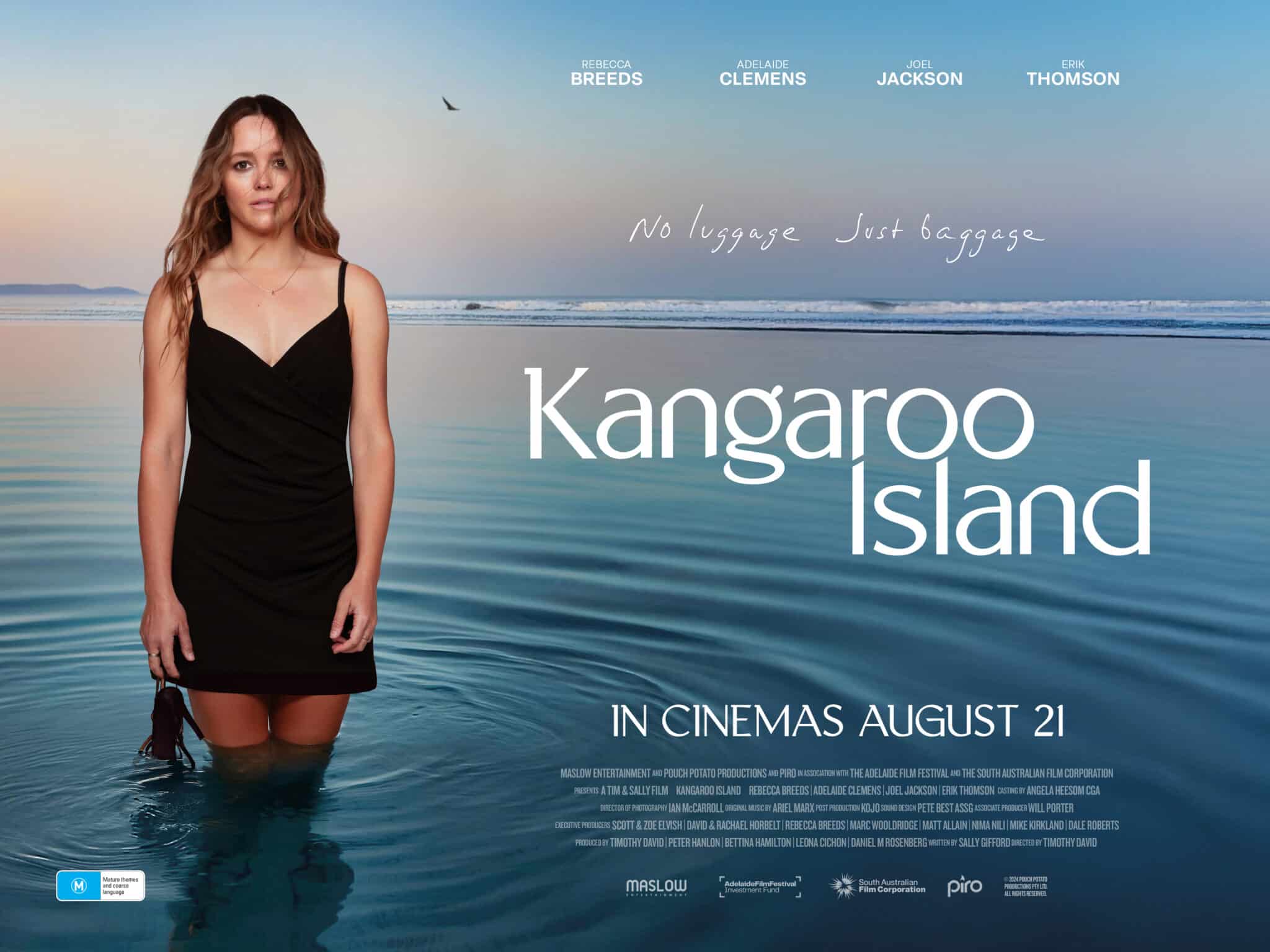
At some point in the last 15 years, cinema lost its sincerity. There could’ve been a number of causes, perhaps the widening political divide or existentialism in the face of ecological crises, but the result was a film industry that was, the vast majority of the time, decidedly unemotional. Earnestness was traded in for cynicism, and whatever sincerity or humanity was left over was depicted with an air of condescension and ironic detachment, as if the film was criticising those who held an emotional or idealistic view of the world. Audiences and creatives alike became more concerned with avoiding what was cringe than enjoying what was moving and real. Luckily, the tide seems to be turning in sincerity’s favour. Mainstream 2025 releases like 28 Years Later and Superman are hopeful, emotional, and achingly sincere, and this trend continues into the indie scene with Timothy David’s Kangaroo Island.
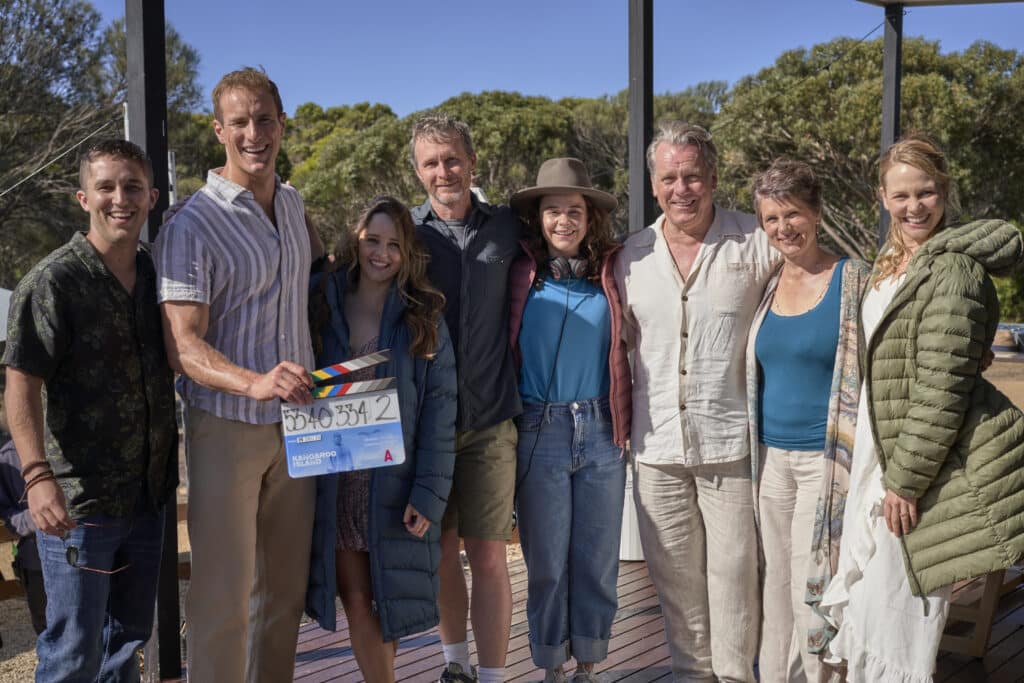
A meditation on familial relationships, the relationship between humanity and the animal kingdom, and life itself, Kangaroo Island, written by David’s wife Sally Gifford, follows Lou, an actress returning to her family’s home on Kangaroo Island after being dropped by her agents. Her homecoming causes tension amongst her family, as her father, Rory, has just decided to pass the family’s property to her ultra-Christian younger sister, Freya. That premise might sound like a melodramatic Home & Away plot on paper, but David, in his feature film debut, shows remarkable dedication to his wife’s script and stages the story in a way that doesn’t feel contrived. While I am not going to pretend that he completely avoids the pitfalls of a debut feature, his direction is, for the most part, steady. He does not concern himself with flashy or show-offish filmmaking, instead allowing the actors and the material to shine. Even in moments where his direction feels amateurish, the viewer is so overcome by the sincerity and humanity at the centre of the piece that they’re willing to overlook David’s faults.

The film is achingly sincere, emotion which is supported by the cast’s excellent performances. Rebecca Breeds’ performance as Lou is the beating heart of the film, with the actress providing great depth to a conflicted and confrontational character. She makes the audience simultaneously sympathetic and repulsed but the character of Lou, mirroring how Lou feels about herself. Adelaide Clemens is absolutely excellent as Freya, turning in a performance that’s both infuriating and heartbreaking. Joel Jackson as her husband is similarly good, delivering Gifford’s script with conviction. Rounding out the cast, Erik Thomson gives a career best performance as the girls’ father, Rory, emanating warmth and fatherly care. The film’s depiction of Kangaroo Island is quite beautiful, the cinematography capturing the wildlife and landscape of the island so lovingly that by time the film finished, I wanted to visit Kangaroo Island myself. The film’s only major flaw is Ariel Marx’s uncharacteristically cliche score, a far cry from her affecting work on films like Emma Seligman’s Shiva Baby.
Overall, Kangaroo Island is absolutely worth the price of admission, a sincere and moving film that wears its heart on its sleeve. While some may have a knee-jerk reaction to that kind of vulnerability, I implore you to approach the film with an open mind and allow yourself to engage with it in earnest, instead of writing it off as ‘cringe’.