

by Martina Cooper
After more than two decades of marking HSC exams, I’ve come to notice several common mistakes students make. Year after year, I see firsthand the difference between well-prepared students and those who struggle with exam technique. So, if your child is looking for a little guidance during exam season, here are several key areas that your Year 12 child should focus on.
Failing to plan is planning to fail
One of the most frequent mistakes I see is students diving into the exam without a game plan. With the typical HSC paper lasting around three hours, students need to know exactly how they’ll spend that time. There’s a tendency to save the essay for last, perhaps because it feels the most daunting, but this often backfires.
Many times, I’ve marked essays at the end of a paper where it’s clear the student has run out of time, and the response is rushed or incomplete. My advice is to tackle the essay earlier when you’re still fresh and focused. It also helps to break up the monotony of multiple-choice or shorter-answer sections.
When you first open your exam paper, take a moment to scan through it. Note how many marks each section is worth and allocate your time accordingly. Most exams suggest times for each section, but it’s still a good idea to have your own plan. A 20-mark essay, for example, should have significant depth, requiring more time than a shorter five-mark question.
Handwriting matters
In an age of laptops and tablets, students rarely spend three solid hours writing by hand anymore. This has led to a noticeable decline in handwriting quality. Unfortunately, if your writing is difficult to read, it can negatively impact your marks. Remember, someone has to read and assess every word you write—if they can’t decipher it, they can’t give you credit for your ideas. Take care to write legibly, even if it means slowing down slightly. After all, you don’t want to lose marks over something as simple as handwriting.
Avoid cookie-cutter essays
One mistake I often see is students relying on pre-prepared essays. While it’s important to have a deep understanding of your content, a “cookie-cutter” response that doesn’t directly answer the question won’t earn high marks. Each question is unique, and it’s crucial to tailor your response accordingly.
Standout essays begin with a clear thesis in the introduction. This sets the tone for the rest of the response and gives the marker a clear idea of what to expect. Don’t forget to reference any stimulus material provided and use relevant examples to support your argument.
Understanding command verbs
Each exam question comes with its own set of instructions, and it’s important to understand exactly what’s being asked. For example, the verb “evaluate” means you need to make a judgement and provide evidence to support it. If you don’t meet the specific requirements of the command verb, you could lose marks even if your content is accurate.
Don’t underestimate the power of practice
There’s no substitute for practice, especially when it comes to the HSC. Past papers are an excellent resource because they allow students to get a feel for the types of questions they’ll face and help them manage their time effectively.
Encourage your child to time themselves when completing practice papers and to handwrite their answers. This will help them get used to the pressure of the exam environment and build up the stamina (and hand strength!) needed for three hours of solid writing.
NESA, the governing body for the HSC, provides advice and examples of better responses, as well as areas where students can improve. Reviewing this information will give you insight into what examiners are looking for and how you can set yourself apart.
Ultimately, while content knowledge is crucial, exam technique can make or break your HSC performance. Take the time to plan, write legibly, and tailor your responses to the question at hand. By avoiding these common mistakes, your child will be well on their way to maximising their potential in the exam room.
About Martina Cooper:
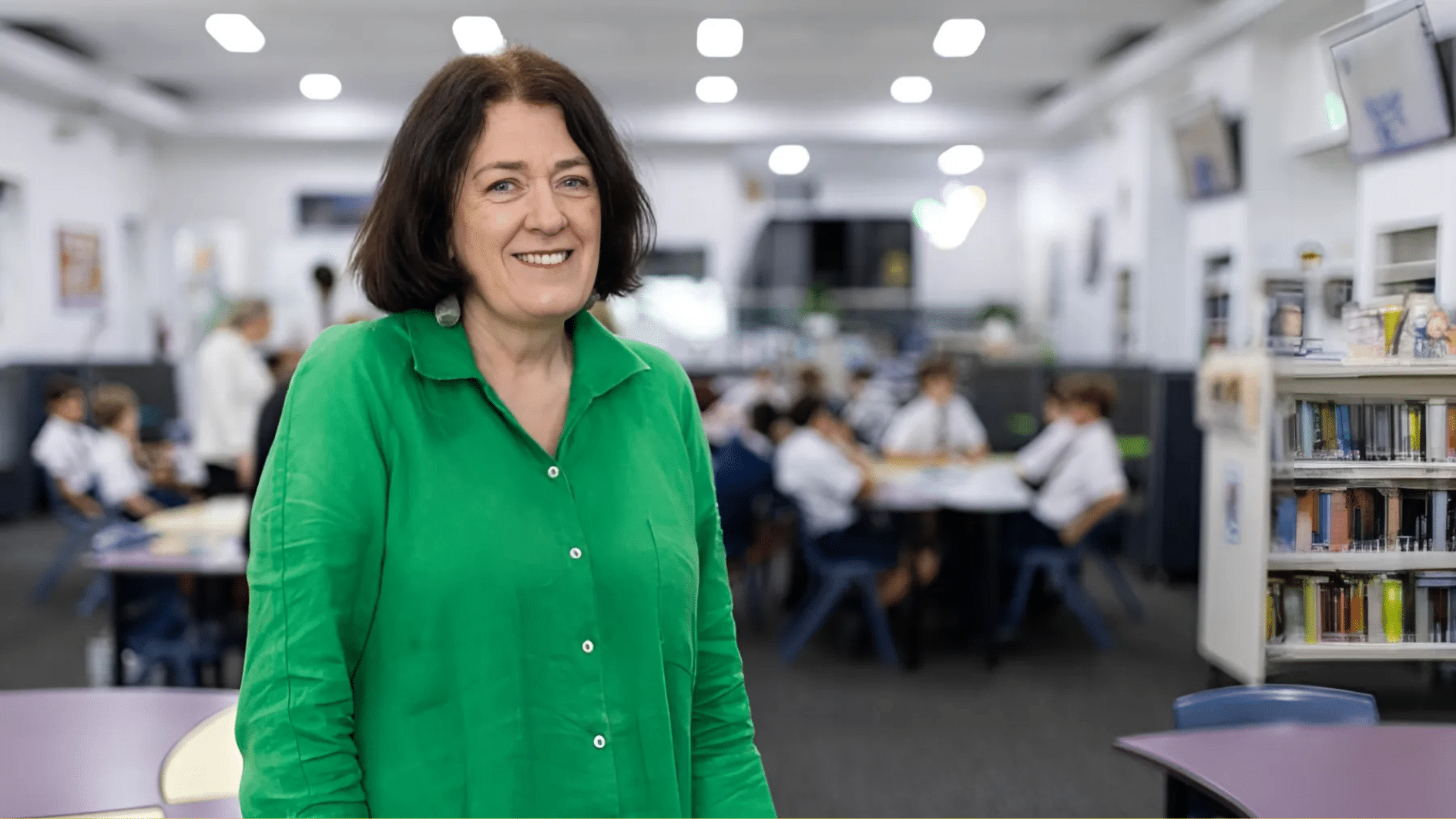
Martina Cooper is the Director of Curriculum at Waverley College. She has been a curriculum leader for over 20 years including nine years as Head of Religion at Waverley College. Martina graduated from University College Cork in Ireland attaining a Bachelor of Arts, with honours, in Geography and Mathematics. She then embarked on a range of postgraduate study, including diplomas in Education, Catechetics and TESOL. Martina has a range of expertise in the delivery of curriculum from Mathematics to Literacy, Geography and Religion. Prior to commencing at Waverley College in 2015, she was Director of Religion and previously Mathematics Coordinator at St Clare’s College, Waverley. Martina has significant experience as a HSC marker, ultimately a Senior Marker and then the Supervisor of Marking for Studies of Religion (2019-23).
Martina is passionate about providing a holistic education for boys in the EREA context. Having grown up in Waterford, Ireland, she feels a sense of responsibility to ensure that the legacy of Blessed Edmund Rice lives on at Waverley College. To this end, Martina always strives to foster and develop interfaith dialogue opportunities for staff and students. Her educational philosophy is based around a liberating education that develops and nurtures globally-minded citizens. Martina pinpoints a number of highlights in her teaching career, in particular the joy, affirmation and excitement in enabling students to achieve First in State ranks for Studies of Religion: SOR I at St Clare’s College and SOR II at Waverley College.