




Parents want the best for their little ones, and that includes keeping them comfortable at home. With Australia’s heat often pushing past bearable, many families rely on air conditioning. But one question keeps popping up: is running the air conditioner bad for babies?
The straightforward answer is no. Air conditioning isn’t harmful to babies when used the right way. In fact, it can be a huge help in keeping them safe and comfortable. Still, it’s worth knowing the right approach, because babies are more sensitive to their surroundings than adults.
Why Parents Feel Unsure About Air Conditioning
Babies can’t regulate their body temperature as well as adults. That means they can quickly become too hot or too cold. This makes parents worry about things like:
- A chilly room making their baby sick.
- Dry air leading to congestion or skin issues.
- Rapid shifts between hot outdoor air and cool indoor air.
These concerns are fair, but with a bit of care, air conditioning doesn’t pose risks and can actually prevent bigger problems, like overheating.
The Best Room Temperature for Babies
Paediatric experts usually recommend keeping a nursery between 20 and 22 degrees Celsius. That range is warm enough to keep a baby comfortable but cool enough to reduce the danger of overheating, which has been linked to sudden infant death syndrome (SIDS).
One simple check is to place your hand on the back of your baby’s neck or chest. If they feel sweaty or damp, they’re too warm. If their hands and feet are a little cool but the rest of their body feels fine, the temperature is just right.
How Air Conditioning Helps Babies
Using an air conditioner has more benefits than risks. Here are a few reasons many families find it useful:
- Stable temperature – Babies are less fussy and sleep more soundly in a room that doesn’t swing between hot and cold.
- Protection against heat – In summer, fans aren’t always enough. Air conditioning helps keep the room safely cool.
- Better sleep – A quiet, cool space encourages deep rest, which is important for growth.
- Cleaner air – Modern systems can filter out dust and pollen, which is helpful for sensitive airways.
Clearing Up Common Myths
Some parents avoid air conditioning because of old beliefs that don’t really hold up. A common one is that babies will catch a cold if they sleep in an air-conditioned room. That’s a myth. Colds come from viruses, not from cool air.
Another belief is that air conditioners always dry out the room. While they can lower humidity, it’s usually easy to fix. A small humidifier, a bowl of water in the corner, or simply good system maintenance can make a big difference.
Tips for Using Air Conditioning Safely
Air conditioning is safe for babies if used wisely. Here are some practical steps:
- Set the temperature right – Keep it between 20 and 22°C.
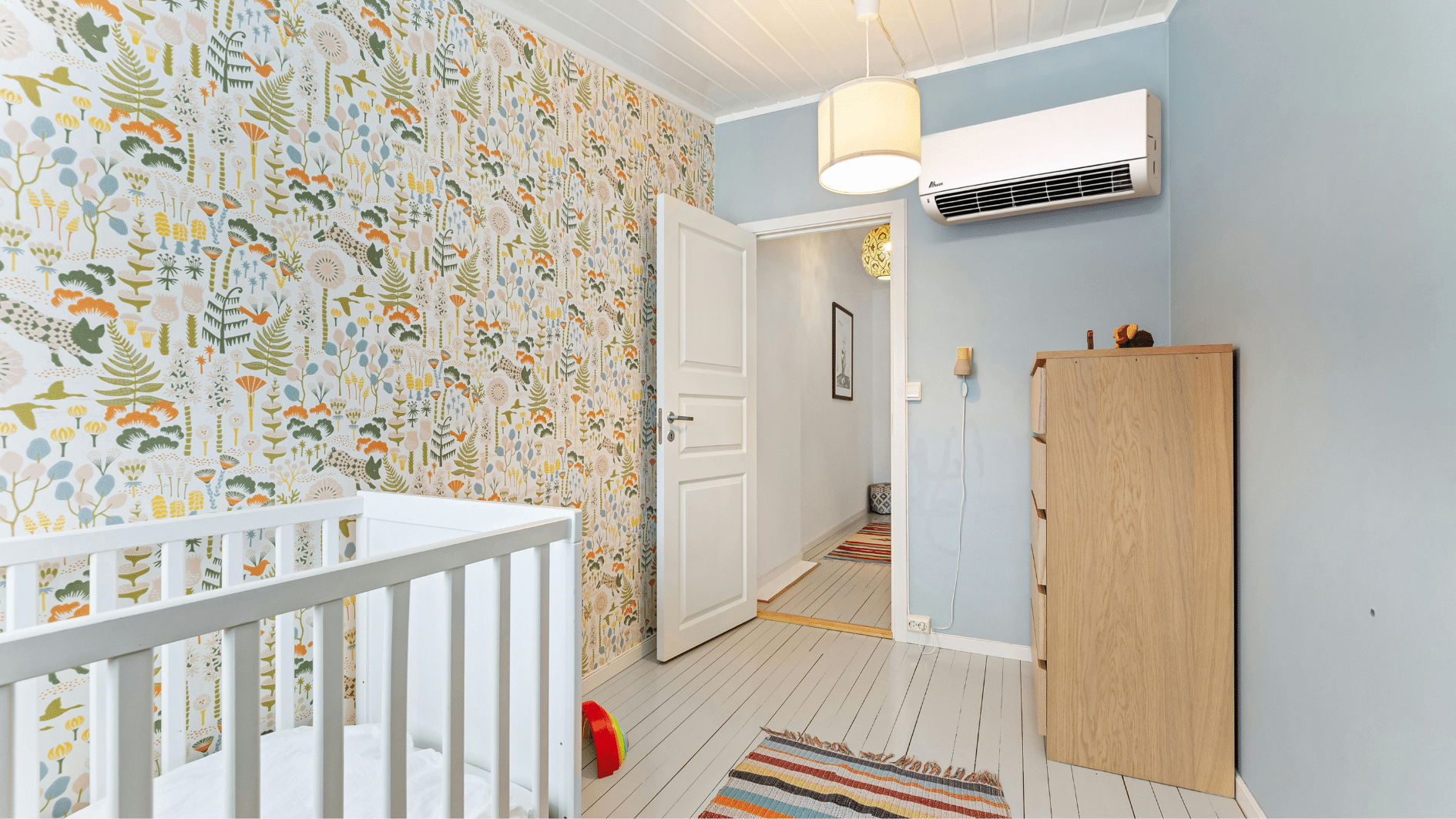
- Keep the cot away from vents – Babies shouldn’t sleep with cold air blowing directly on them.
- Dress them lightly – Cotton onesies, singlets, or a light sleep sack work well. Skip heavy blankets.
- Service your unit regularly – Regular servicing is one of the easiest ways to keep your system running well. Experts from Metropolitan Air Conditioning recommend having it checked at least once a year to keep the air healthy.
- Use a room thermometer – Don’t guess; monitor the nursery temperature.
- Change filters often – Fresh filters mean cleaner air for your little one.
What Other Parents Have Noticed
Plenty of parents in Australia rely on air conditioning and see good results. In fact, some surveys show nearly 70% of families use air conditioning in nurseries during the warmer months. Many say their babies sleep longer stretches at night when the room stays cool.
Parents also share that nighttime feeds are easier in a climate-controlled room. Instead of worrying whether the baby is sweating or restless, they can focus on settling them back to sleep.
Times to Take Extra Care
While air conditioning is safe for most babies, some situations call for more care. Premature babies or infants with health conditions, especially breathing issues, might need special advice from a doctor. Babies with asthma or allergies can still benefit from air conditioning, but regular maintenance is even more important in those cases.
Comfort and Safety Go Hand in Hand
Air conditioning can’t replace safe sleep practices. Babies should always be placed on their backs in a cot with a firm mattress and no heavy bedding. Good airflow matters too, so keep the room well ventilated but free of draughts. If you’re worried about dry air, open a window in the early morning or evening, or use a small humidifier.
Why It Matters in Australia
Australia’s summers can be extreme, and babies are especially vulnerable to heat. They can’t sweat as effectively as adults, which puts them at risk of overheating faster. Stable indoor temperatures become more than just comfort — they’re a safety measure.Paediatric experts usually recommend keeping a nursery between 20 and 22 °C. This range helps prevent overheating and keeps babies comfortable, especially during long summer nights. Babies and young children are more susceptible to heat-related illness because their bodies can’t adapt to temperature changes as easily as adults. Keeping their environment cool and stable is an important part of protecting their health.