





by Ellie Wilson
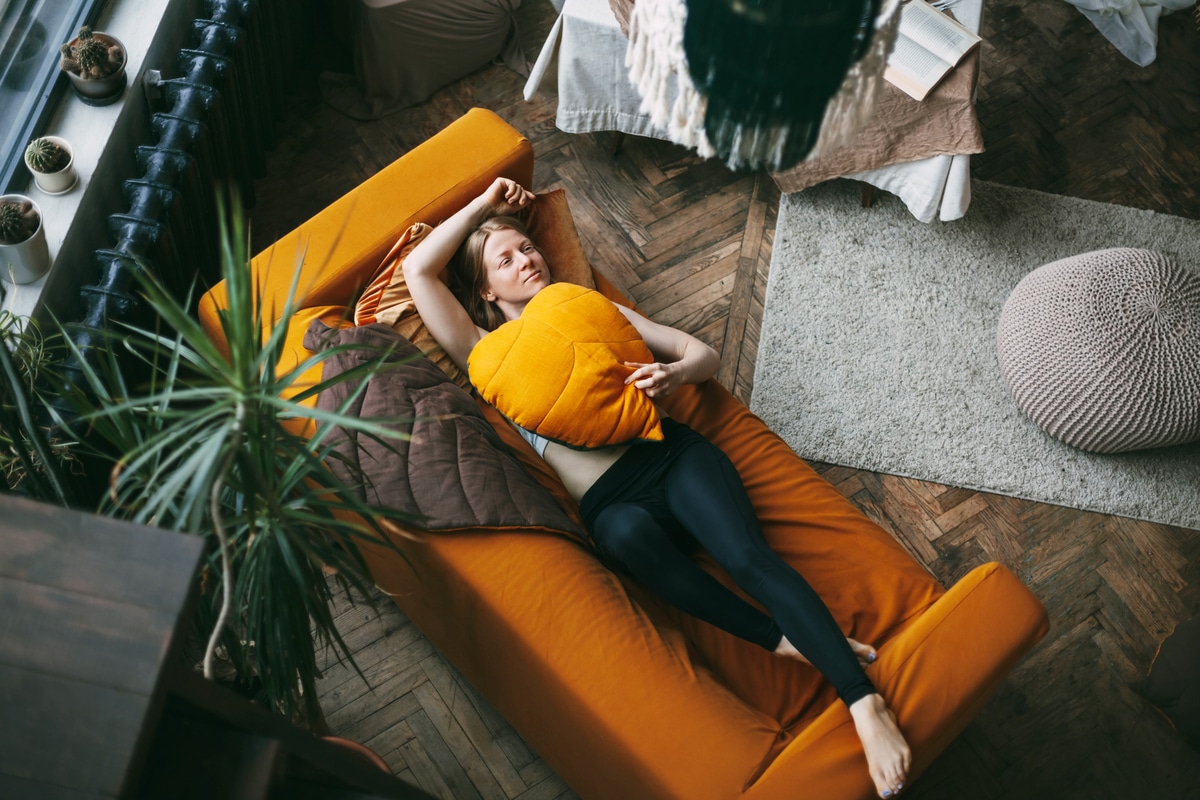
Your home is your safety net, meaning you need it to be the most relaxing place in the world. In
moments of stress, it often becomes the first place you want to retreat to. While relaxation
means different things for different people, the truth is that some ideas are backed by psychology
and work for pretty much everyone.
With this thought in mind, let’s explore a few psychology-backed solutions to turn your home
into a modern oasis of relaxation.
Pick Soothing Colors
Colors make the difference when you first step in. Sure, there are all kinds of trends that change
round the clock. Dark colors are quite popular these days, but they don’t always give you that
relaxing feeling you’re after.
To boost relaxation, you need something natural and neutral. It always works, regardless of your
preferences. In other words, go for soft tones and muted colors that echo the calm of nature. A
pale earthy nuance of green will work wonders, but warm neutral designs are also recommended.
Some people also find pastel blues and gentle taupes comforting. Such colors will lower your
stress levels and promote a peaceful design.
Incorporate Greenery
Plants have a wide variety of benefits. Apart from purifying the air, the various nuances of green
bring us closer to nature. It’s like going back to the origins. That’s why we always feel good after
a walk in nature, whether we go for miles or just have a picnic under a tree or sit quietly beside
flowers.
When it comes to the indoor alternative, bringing nature closer is just as beneficial. And if you’re
worried that you don’t have the time, knowledge or dedication to look after live plants, you can
also opt for artificial indoor plants.
Sure, they won’t purify the air, but they’re maintenance-free and offer all the other benefits such
as visual calm.
Bring in Ambient Lighting
The practical way common in most homes involves a single overhead light. Sometimes, it’s
adjustable, so you can determine how bright you want it to be. While this can definitely make
your life easier, it doesn’t provide that cozy relaxing experience that you’re after.
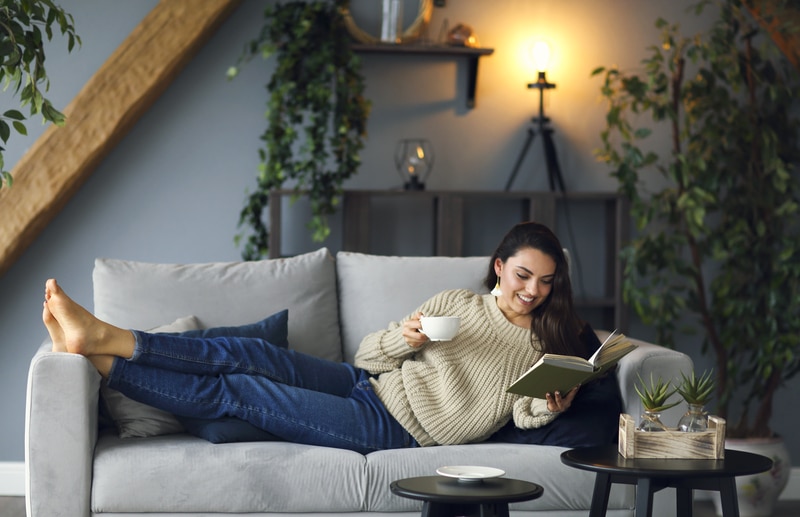
To make your home more relaxing and welcoming, simply go for a few different light sources. For
example, you could get a couple of floor lamps. A few table lamps may also help. Wall lights are
just as useful, especially if dimmable for evening relaxation.
Of course, to make the room even more relaxing, stick to soft yellow tones. Cold light may be
brighter, indeed, but it won’t necessarily make you feel more relaxed.
Even More Nature
While plants can definitely help in implementing nature in your home, the truth is, you can get
even further than that. Natural materials here and there are just as relaxing from a psychological
perspective.
For example, if you’re renovating your home, stick to wood furniture. Keep it simple and classic.
Sure, you can paint it, but natural wood feels even better for your brain.
Stone accents and even natural stone elements will also help. Even fibers and materials in your
home should follow the same profile. For example, linen, cotton and jute can bring a nice
outdoorsy feeling inside each room.
Get Rid of Visual Clutter
Clutter is clutter, no matter how organized it is. You can have an organized mess all around your
home. It doesn’t change the fact that it’s still a mess and psychological studies emphasize the
impact of clutter on mental load.
From this point of view, visual noise can certainly add to your stress levels. Small things here and
there, too many decorations, the latest letters you’ve received, keys everywhere, all these things
add to the clutter, even if they’re nicely organized.
Keeping surfaces tidy is the best thing you can do. Losing clutter will give you a feeling of calmness
and will inevitably clear your mind.
Soft Textures for Relaxation
Relaxation may feel like it’s mostly visual. According to psychology, it goes further than that. It’s
also tactile. What you feel and touch can also help you feel more relaxed or nervous. This means
choosing the right material is more important.
Imagine touching a rough, cold surface, such as a stone. Then, imagine the soft feel of velvet.
Which one would make you feel more relaxed? Exactly!
With this aspect in mind, soft textures can certainly help. You can opt for plush rugs, velvet
fabrics, cotton upholstery and even pillows and blankets made of different materials. Stick to
natural materials for an even better result.
Relaxation Without Technology
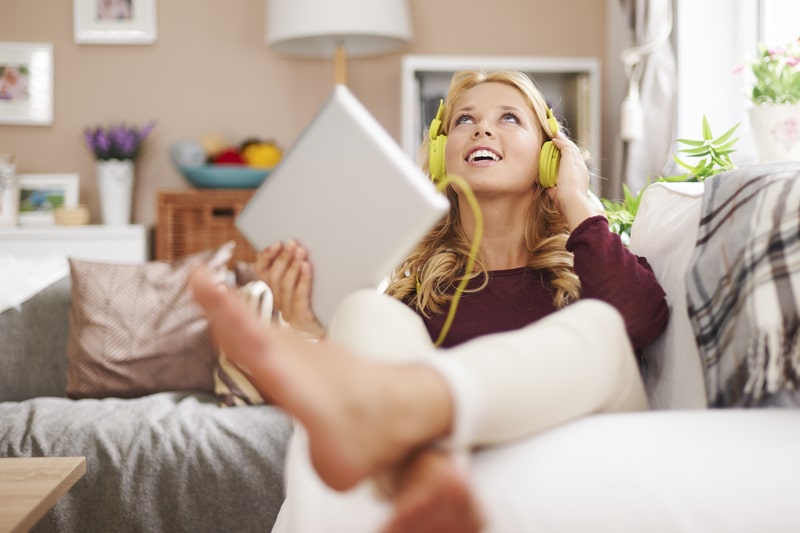
There’s nothing more relaxing than sitting down on your sofa and watching TV while scrolling on
your phone, especially after a long day at work. Or at least that’s what we think. Psychology (as
well as other forms of science) teaches us that screens and blue light are the opposite.
We believe they relax us, but they add to our stress levels. Sometimes we don’t realize the
negative impact of them.
For maximum relaxation, create some technology-free zones in your home. Whether you relax
or chill with a loved one, these places will encourage relaxation without distractions.
A Mix of Visuals and Nature
Visuals help. Nature helps too. How about mixing them up? Views can embrace a variety of forms.
Unless you live somewhere in the mountains or you have some great views over the countryside,
you may struggle a little.
What you can do is bring in some mirrors to reflect all the natural light. You can also invest in
artwork that refers to natural scenes. While insignificant, these simple improvements in what
you see can make you feel better.
Bottom line, making your home more relaxing can go in more directions. While people perceive
relaxation in different ways, the truth is that these psychology-backed solutions will work for
everyone out there. From nature and light to soft textures and lack of clutter, these things can
change how you feel at home.
About Author
Ellie Wilson is a home décor enthusiast with a passion for creating calming, nature-inspired
spaces. A dedicated yoga lover, she blends mindfulness with design, bringing balance, warmth,
and greenery into every corner of the home. With a keen eye for aesthetics and a love for plants,
Ellie shares practical tips and creative ideas for turning everyday spaces into peaceful, beautifully
styled sanctuaries. https://designerplants.com.au/