




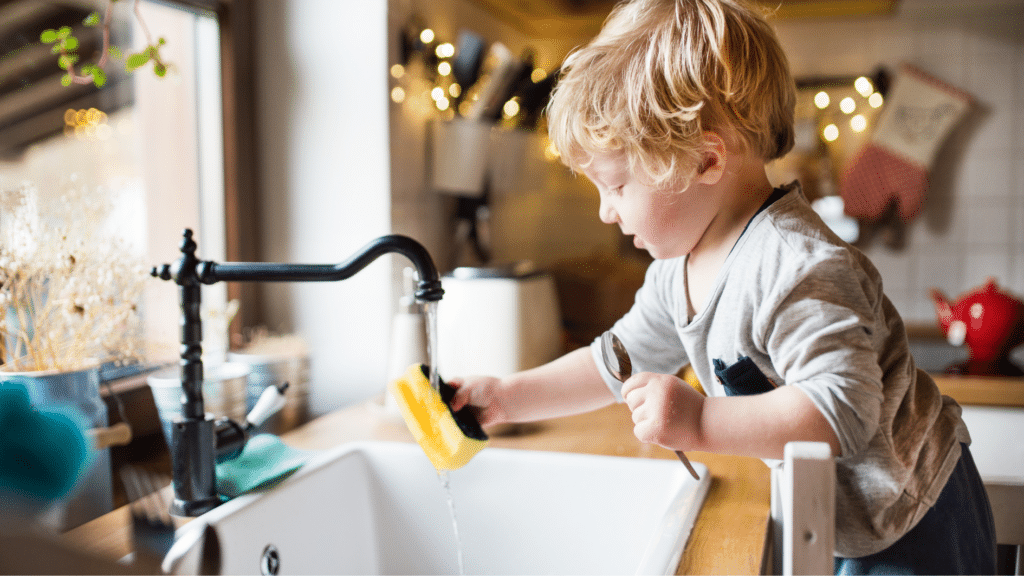
We don’t often think of teaching our kids about plumbing, but maybe we should. After all, they’re growing up in homes full of pipes, taps, toilets, and drains—and like it or not, they’re going to interact with all of it.
Whether it’s learning how not to flood the bathroom or simply understanding what goes down the sink, giving them a basic understanding of plumbing is more useful than you might think.
With our hot summers, water-saving habits, and older plumbing in many homes, there’s even more reason to get them clued in early.
So here are seven simple plumbing basics every child (and let’s be honest, a few adults too) should know.
1. How to Turn Off the Taps Properly
It sounds obvious, but you’d be surprised how many taps are left dripping just because a child didn’t twist them fully closed—or twisted too hard and caused damage.
Teach your kids how to gently but firmly turn off the taps until the water stops. Explain the difference between off and tight, and let them know that if the tap still drips, it’s not their fault—it might just need a washer replaced.
Also take the chance to talk about why wasting water is a problem. Even a slow drip can waste litres every day, which is not great for the environment—or your water bill.
2. What Should (and Shouldn’t) Go Down the Toilet
The toilet may seem like a magical disappearing act to a child, but it’s important they understand it’s not a rubbish bin.
Let them know the basics: only wee, poo, and toilet paper should go down. No wipes, tissues, cotton buds, or toys (yes, it happens). These things might flush away, but they often clog up the pipes further along and can cause some pretty grim problems.
A simple way to help younger kids remember is: If it didn’t come from your body or it’s not toilet paper, it doesn’t go in the loo.
3. How to Use the Sink Without Blocking It
Children are notorious for washing all sorts of things down the sink—paint, food, slime, and who knows what else. While curiosity is part of growing up, it can wreak havoc on your drains.
Help them understand that things like grease, food scraps, and sticky substances can block the pipes. Even toothpaste build-up and hair can cause slow drains over time. Here is a good reference of list of things you should never put down your kitchen sink
Get them in the habit of using the plug strainer in the kitchen sink, and encourage them to wipe food into the bin before rinsing dishes. In the bathroom, keep a hair trap in the shower drain and show them how to clear it after a wash.
4. What to Do in a Plumbing Emergency
If a pipe bursts or the toilet overflows, panic often sets in. But kids who know what to do in an emergency can make a big difference—even just by staying calm and calling for help.
Show them where the water mains shut-off valve is and how it works. If they’re old enough, let them practise turning it off and on again.
Make sure they know how to safely get a towel, bucket, or mop if something’s leaking, and most importantly, teach them not to try fixing anything themselves unless they’ve been shown how.
It’s also helpful to stick a note somewhere visible with the name and number of your plumber, just in case.
5. Why We Don’t Flush Wipes (Even the “Flushable” Ones)
This one deserves its own spot, because “flushable” wipes are one of the biggest culprits behind plumbing blockages in Australia.
Despite what the packet says, most wipes don’t break down like toilet paper and end up clogging pipes or collecting in sewer systems.
Even older kids and teens can fall into the habit of flushing makeup wipes, baby wipes, or cleaning cloths. A quick chat about how these blockages cost thousands to fix—and create a nightmare for plumbers—can go a long way.
Make sure there’s always a bin in the bathroom, and gently remind them: if in doubt, throw it out (not down the loo).
6. The Basics of Water Conservation
Water conservation isn’t just a good idea—it’s a necessity. Teaching your children the value of water and how to avoid wasting it helps them develop responsibility at home and respect for the environment.
Show them how to:
- Turn off the tap while brushing their teeth
- Keep showers short (use a timer if needed)
- Only run the dishwasher or washing machine when it’s full
- Report leaking taps or pipes instead of ignoring them
Little habits add up, and kids who understand this early tend to carry it into adulthood.
7. Who to Ask When Something Seems Off
Not every plumbing issue is dramatic. Sometimes, it’s a gurgling drain, a strange smell, or water pressure that’s lower than usual.
Kids should know that if they notice something odd, they should tell a parent or adult right away.
Make sure they understand that speaking up doesn’t mean they’ll get in trouble. It just helps stop a small problem becoming a bigger one.
Encourage questions, even the “silly” ones. Why does the toilet make that sound? Where does the water go?
You don’t need to have all the answers, but it’s a great chance to learn together—and maybe even get them curious about how things work behind the walls.
Final Thought: It’s Not Just About Pipes
Teaching kids plumbing basics isn’t about turning them into future tradies (though, hey, that’s not a bad idea). It’s about building awareness, responsibility, and a sense of ownership in the place they live.
It also helps prevent accidents, reduces waste, and saves money on unnecessary repairs.
You don’t need to sit them down for a formal “plumbing lesson”—just involve them in day-to-day things. Let them help fix a leaky tap. Get them to hold the torch while you check under the sink. The more they’re included, the more confident and capable they’ll become.
And who knows? One day, they might be the one showing you where the problem is.