





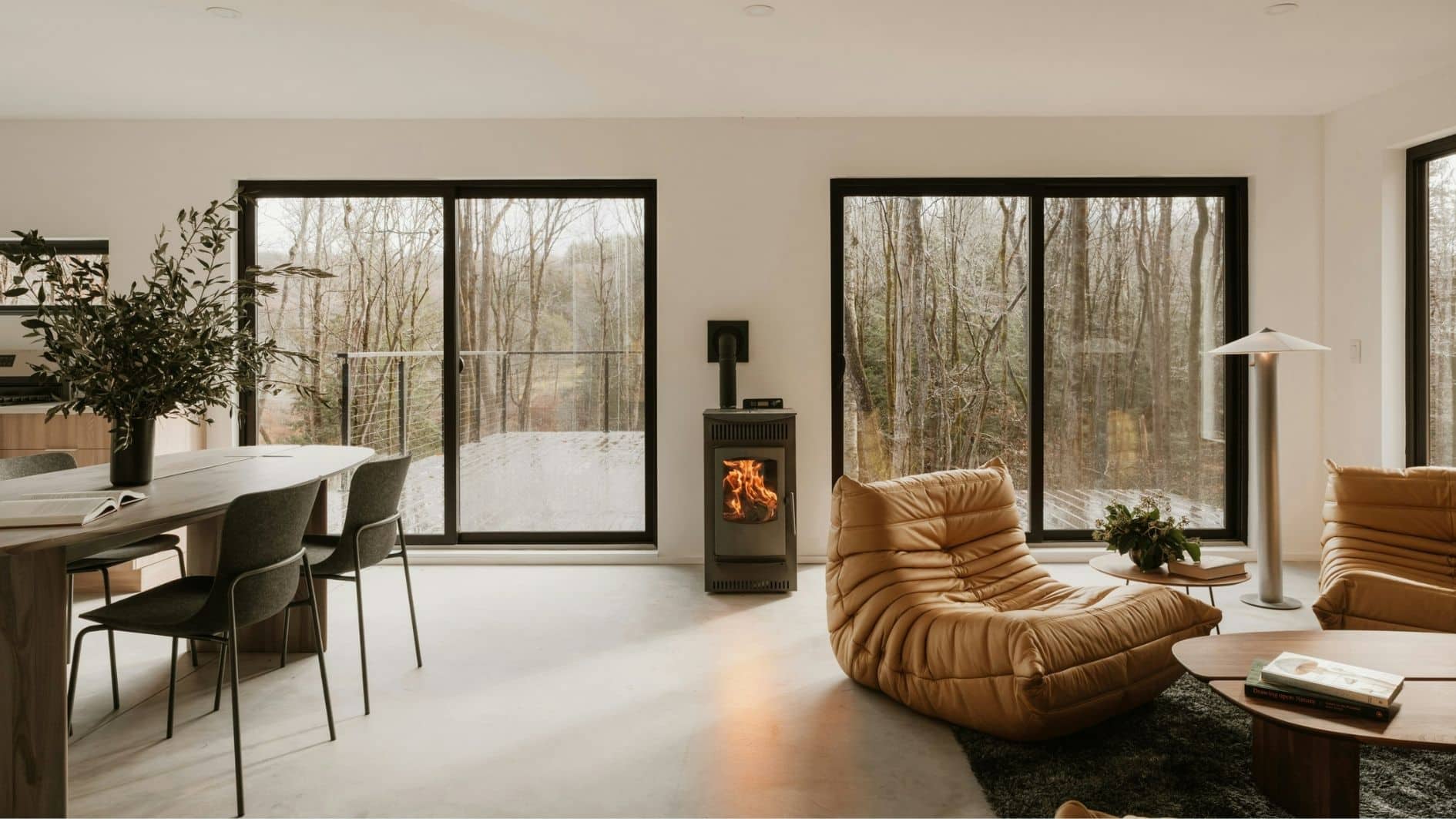
Winter can be deceptively chilly. You think you’ve got everything under control, and then one morning you’re standing in the kitchen at 7am, freezing, waiting for the house to warm up while the kids complain and the dog refuses to move.
Most households rely on their heating systems without much thought. But small habits or overlooked maintenance, can affect not only how warm your home feels, but also how efficiently your plumbing and drainage systems perform during winter.
Here are five common heating mistakes, how to fix them, and a few hidden plumbing issues worth keeping an eye on.
1. Cranking the Thermostat Up Way Too High
It feels logical. It’s cold, so you push the thermostat up to 26 or 28 degrees, hoping the room warms up faster. The thing is, that’s not how reverse cycle air conditioning works.
Your system heats at roughly the same rate no matter where you set the dial. Setting it higher than you actually want the room doesn’t speed anything up. It just keeps running longer than needed, costing you more and often overshooting the comfortable temperature.
A good rule of thumb is to set your thermostat between 18 and 20 degrees for heating. According to residential energy efficiency data, each degree above 20 can add around 10% to your heating costs. That adds up fast over a full winter.
2. Leaving Doors and Windows Open
Heating a room while doors or windows are open is like trying to fill a bucket with a hole in it. Warm air escapes while cold air enters, forcing your system to work harder.
Simple fixes:
- Keep doors closed in heated rooms
- Use draught stoppers and seal gaps
- Close curtains at night to retain heat
Why this matters for plumbing:
Poor insulation and airflow can also affect moisture levels in your home. In winter, this can lead to condensation buildup, which may contribute to damp conditions and unpleasant smells, sometimes mistaken for heating issues but often linked to drainage or plumbing problems.
3. Ignoring the Air Filter for Months (or Years)
This is one of the most common and most overlooked issues. Your air conditioner has a filter that traps dust, pet hair, and other airborne particles. Over time, that filter gets clogged.
A dirty filter restricts airflow. Your system has to work harder to push warm air through, which reduces efficiency and increases wear on the unit. In some cases, it can cause the system to overheat or cut out entirely.
Cleaning the filter is usually straightforward. Most units have a panel you can slide open, a filter you can pull out, rinse under the tap, and let dry before putting back. Check your unit’s manual for specifics, but doing this every one to two months during heavy use is a reasonable approach.
If your system is older or you’re not sure when it was last serviced, book in an air conditioning service before mid-winter.
4. Running Heating in Rooms You’re Not Using
It’s easy to just leave the system running throughout the whole house, even when the kids are at school, you’re at work, or everyone’s gathered in one room. Heating empty rooms is one of the quieter ways energy bills creep up.
Modern reverse cycle systems often have zoning options, or at minimum, you can close off vents in unused rooms. If you’re using a ducted system, take the time to learn how the zone controls work. Most systems allow you to heat only the areas you’re actually in.
For households without zoning, a simple habit of closing doors to rooms you’re not using helps contain warmth where it’s actually needed.
5. Forgetting That the System Needs Servicing
This one tends to hit at the worst time. You switch the heater on for the first cold night of June, and something doesn’t sound right. Or it runs but barely warms anything. Or it stops working altogether.
Air conditioning and heating systems that haven’t been looked at in a few years often have issues that go unnoticed until performance drops noticeably. Refrigerant levels, electrical connections, capacitors, and coil cleanliness all affect how well a system heats.
A service before winter starts is always better than an emergency call in the middle of July. A qualified technician can check the full system, clean components that affect efficiency, and flag any small issues before they become expensive ones.
It’s also worth noting that any electrical work related to your air conditioning system needs to be carried out by a licensed electrician. This includes wiring, power connections, and any internal electrical faults. It’s not a DIY job.
When Heating Problems Might Actually Be Plumbing Issues
Not all winter home issues come from your heating system.
Colder weather, combined with increased indoor use, can highlight underlying plumbing problems such as:
- Slow-draining sinks or showers
- Gurgling noises from pipes
- Unpleasant odours from drains
- Water pooling or minor backups
These are often signs of partial blockages in your drainage system.
According to Drain Cleaning Adelaide, if they are left untreated, they can worsen over time, particularly during winter when debris, grease, and waste build up more easily in pipes.
When to Call a Professional
Some heating issues are obvious. Others aren’t. Here are signs worth acting on rather than ignoring:
- The system is running but not reaching the set temperature
- You’re noticing a musty or burning smell when the heating is on
- The unit is making unusual noises, clicking, grinding, or rattling
- Your energy bills have gone up without any obvious change in usage
- The system is cutting in and out frequently
A licensed technician can usually diagnose these issues quickly. If your system is more than 10 to 12 years old and regularly having problems, it’s also worth getting an honest assessment on whether repairs or replacement makes more financial sense long-term.
Conclusion
Getting through winter comfortably doesn’t have to mean enormous energy bills or a heating system working flat-out. Most of the mistakes covered here are easy to avoid once you know what to look for.
Set your thermostat sensibly, keep your filter clean, heat only the rooms you’re using, and don’t let small draught issues go unchecked. If you want a deeper look at heating your home efficiently this season, check out this heating guide for winter. And if your system hasn’t been serviced in a while, this winter is a good time to get that sorted.
A bit of attention now saves a lot of frustration when temperatures really drop.