





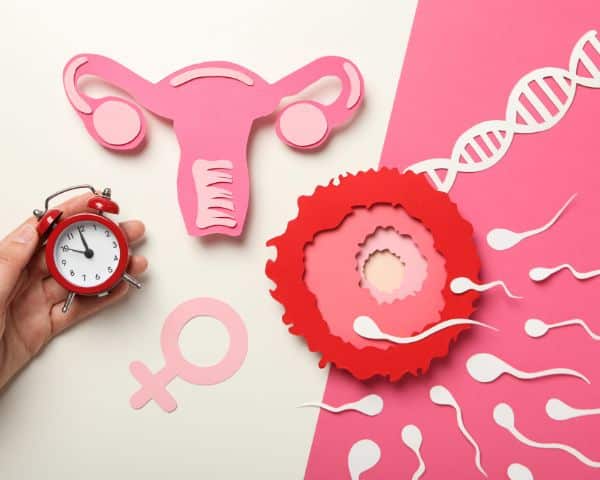
The story behind period taboos is complex, woven from historical stigmas to modern-day challenges. But despite advances in women’s health and rights, menstruation remains a topic shrouded in discomfort for many. When I was growing up, periods were never something that was discussed openly. At school, the tone was immediately set when they separated the girls from the boys to have a ‘secret’ discussion with a female teacher. The boys, relegated to the other room, never knew what was discussed.
The unfortunate reality is that many men continue to grow up never having spoken openly about periods, while many women continue to hold the fear and shame they were taught was normal from an early age. These stigmas seep into every area of our lives, from our homes to the workplace. A recent QUT survey, revealed that 87% of people felt their period interfered with work or study, yet only 7% were honest with their employer about needing to leave work or stay home due to menstruation.
So, how can we start to break the stigma and turn the period chat into a normal topic of conversation for the next generation, no matter their gender?
Breaking the generational shame cycle
We spoke with some of our millennial Hey Zomi customers about what discussing periods with their daughters looks like for them. Vicky is a mum to nine and 11-year-old daughters. When Vicky first got her period, she remembers being embarrassed and scared.
“I never wanted those feelings for my own daughters, so we’ve always normalised the conversation in our own home since they were little,” she says. “If we make something a hidden or fearful thing, it breeds fear so we’ve always been open with menstruation and period products and why I use them.”
Psychologist Carly Dober, says that parents can pass their feelings of shame or inappropriate guilt about natural bodily functions down to their children without even meaning to. She suggests that parents reflect on what they liked and disliked about learning about periods and their bodies: “What did you wish your parents taught you? What do you wish was normalised? How would you like your children to respect and understand menstruation and women’s bodies?”
Check your reactions
For most parents, questions about periods and period products can catch them off guard because they start so early. With our little ones constantly around when we’re using the toilet, it’s only natural that they should get curious about the period products we’re using.
Your first reactions to these questions are key, because children are incredibly perceptive. If they’re immediately taught that periods are taboo or gross, then they will very quickly learn to associate it as something weird, secret, or scary.
React like it’s a normal topic, like you’re talking about buying shoes or their lunchbox. Don’t be afraid to use normal, correct language like vagina, period, and penis. They won’t understand everything immediately, and that’s okay. They don’t have to get it all at once, and they will slowly start to piece it together over time.
Humour always helps, adds Carly, as does encouraging them to come back to you with any questions they may have. Plus, it’s also okay not to have all the answers. Let them know that you are not the expert and if you don’t have the answers, you can seek the information out for them.
Ultimately, by normalising period talk, we empower the next generation to approach menstruation with confidence and without shame. It’s never too early to start these conversations, and every step we take brings us closer to a world where periods are just another part of everyday life.
About the author:
Zoe Fehlberg is one half of the dynamic sister duo behind Australia’s first reusable menstrual disc, Hey Zomi.
With a background in business and product development, time spent on the trading floor, and a passion for women’s health and wellbeing, it seemed inevitable that Zoe would end up in the femtech space.
Along with her sister, Mika, Zoe launched Hey Zomi in 2023 as Australia’s first reusable menstrual disc. The business aims to help those who menstruate live their lives unburdened by bleeding, and is committed to providing everyone, everywhere with access to safe and effective period products that don’t cost the earth.