




by: Melissa Chandler, Principal – Barrenjoey Montessori School (Avalon)
For some of us, we were lucky enough to have that one teacher. You know the one. The teacher who really got you. Who saw you for who you were, who you might become, and believed in you, even when you didn’t quite believe in yourself.
If you know, then you know.
That one teacher probably changed your life, even if you didn’t realise it at the time.
For me, it was Mr Best (and yes, that’s his real name!). He was my Year 6 teacher, and up until that point, I had never really felt that a teacher understood me, or had genuinely tried to. But from the first day in his classroom, I felt truly seen. I felt accepted. I felt that I mattered.
From there, things changed. My grades improved, my confidence grew, my social circle expanded. I grew.
It turns out the Mr Best phenomenon isn’t just something I’ve made up. There is a substantial body of research connecting a child’s sense of belonging at school with academic engagement, motivation, achievement, wellbeing and longer-term outcomes.
This isn’t simply about whether your child is happy at school. Feeling a sense of belonging can influence how willing they are to participate, take risks, persevere when something is difficult and develop confidence in their own abilities. All the things I experienced during and after Year 6 with Mr Best.
In fact, a particularly significant review published in Psychological Bulletin brought together 26 meta-analyses, covering approximately 2.64 million students from pre-kindergarten through to Year 12. It found significant relationships between positive teacher-student relationships and eight areas of student development, including academic achievement, motivation, school belonging and engagement, wellbeing, executive functioning and self-control.
In other words, the relationship a child has with the adults teaching them is closely connected to their learning and development. Being known by an adult at school is not an optional extra; it is an important part of the learning environment.
Interestingly the impact doesn’t necessarily stop when children leave school. Australian longitudinal research has found that adolescents who experience a stronger sense of belonging at school report better mental health outcomes into young adulthood. Researchers following young people into their late twenties found that those who felt more socially valued and connected at school experienced fewer symptoms of depression, anxiety and stress later in life.
But what does it actually mean for a child to feel that they belong?
Every child wants to know that they matter. But being seen is different from being watched. A teacher can supervise 20 children without necessarily knowing each of them deeply. Being seen requires genuine attention, observation and connection.
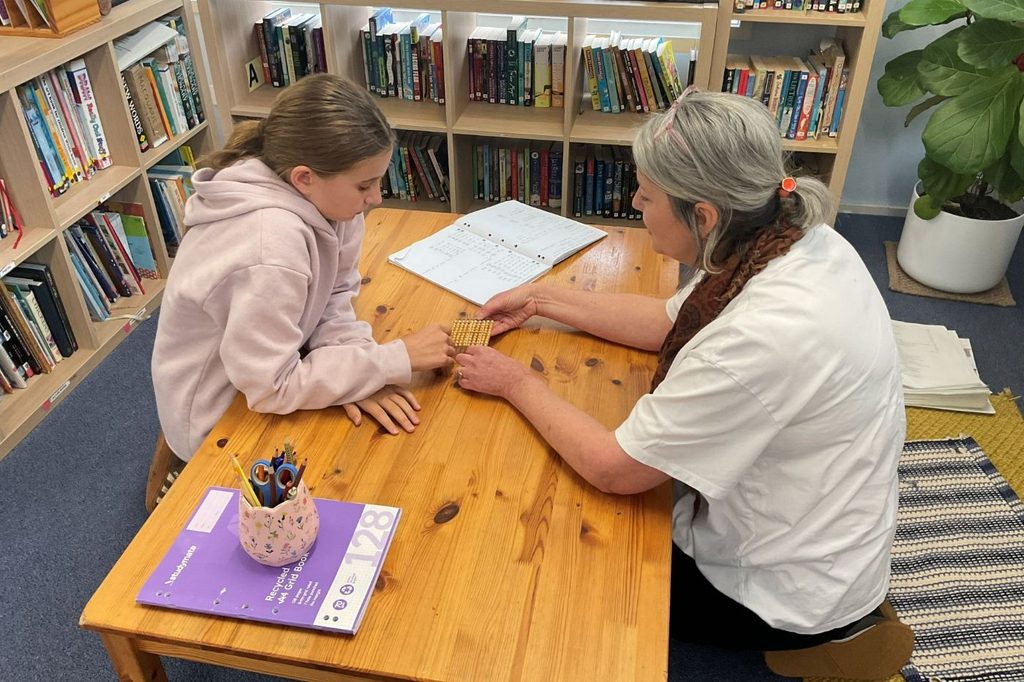
It means noticing when a child is struggling, recognising their interests, celebrating their contributions and understanding that there is a person behind every student. It means creating an environment where children feel safe enough to ask questions, make mistakes, try something new and discover what they are capable of.
When children feel secure in their relationships, they are more willing to take risks, challenge themselves and persist when things become difficult. They don’t need to spend their energy wondering whether they belong. They can use that energy to learn, explore and grow.
So how do we create environments where children feel this way?
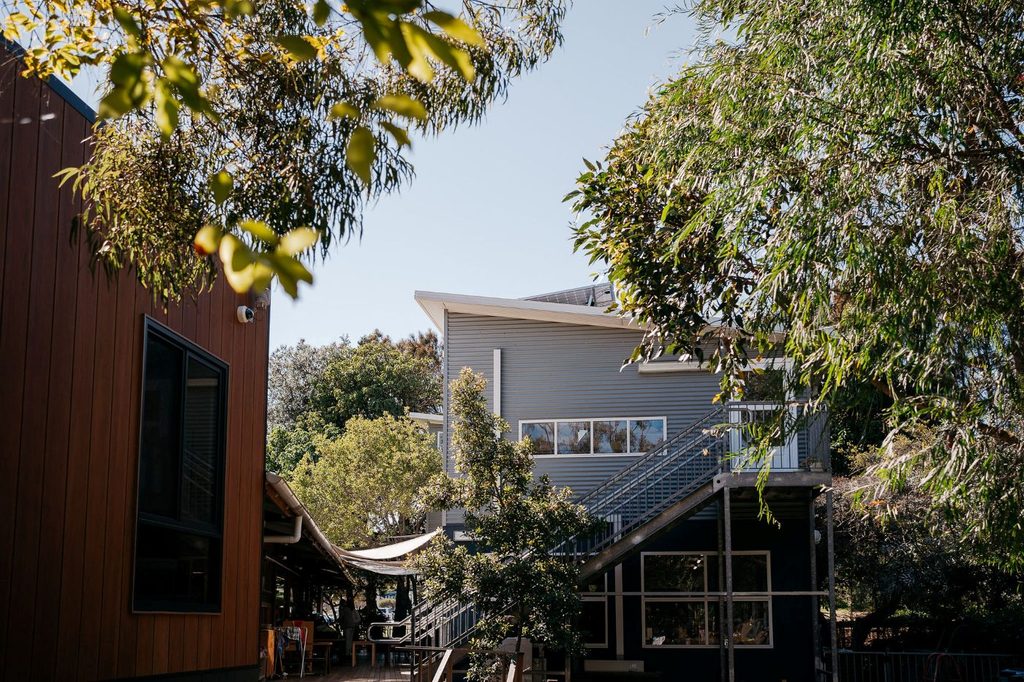
This is something I think about a lot as a Montessori educator.
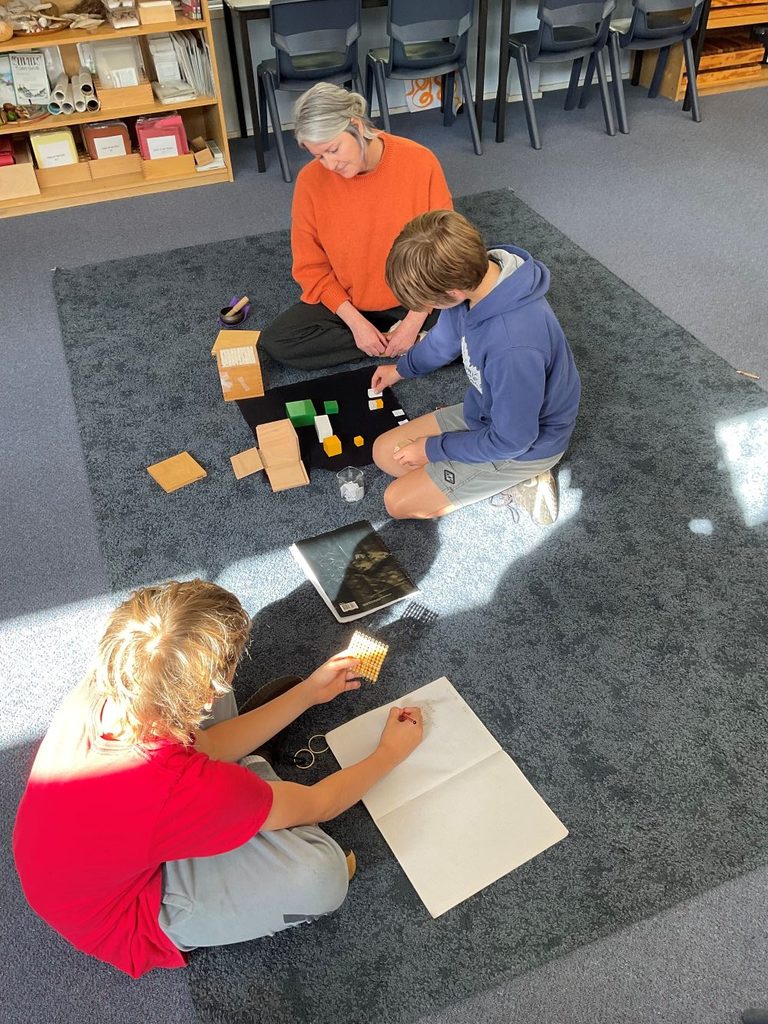
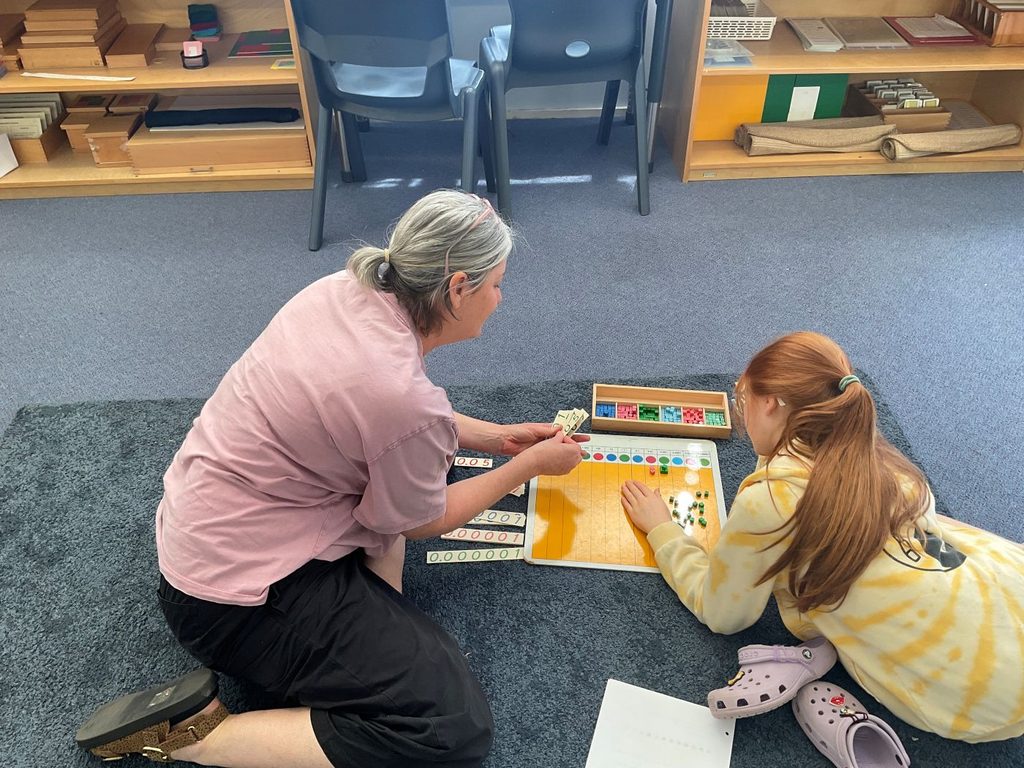
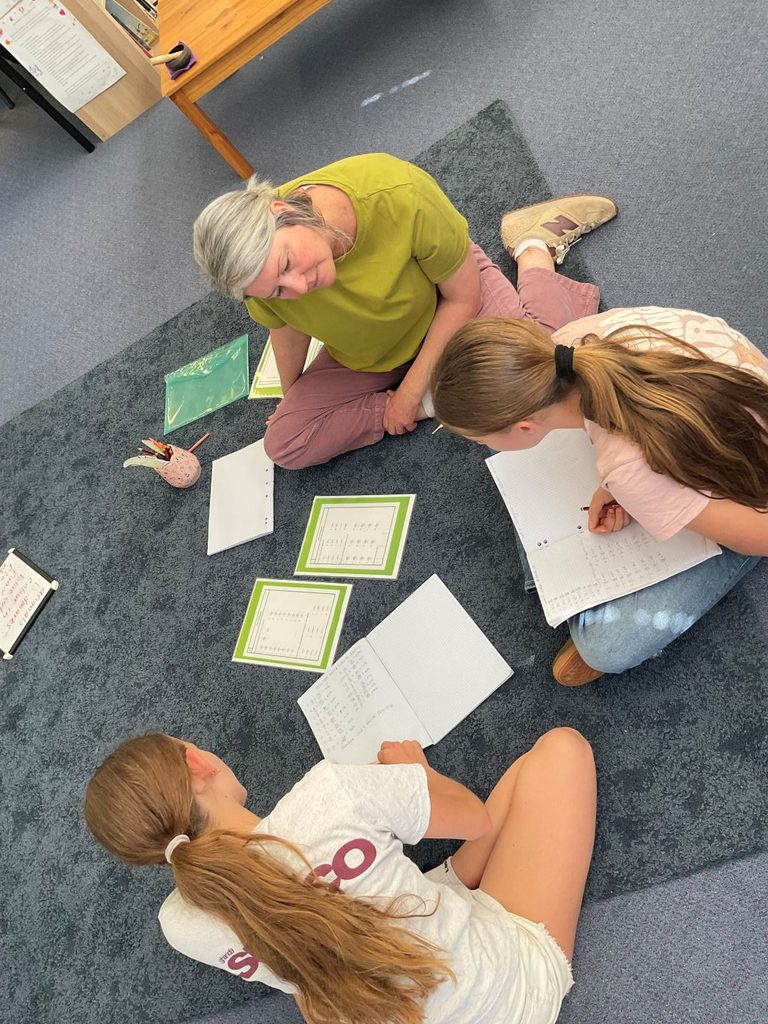
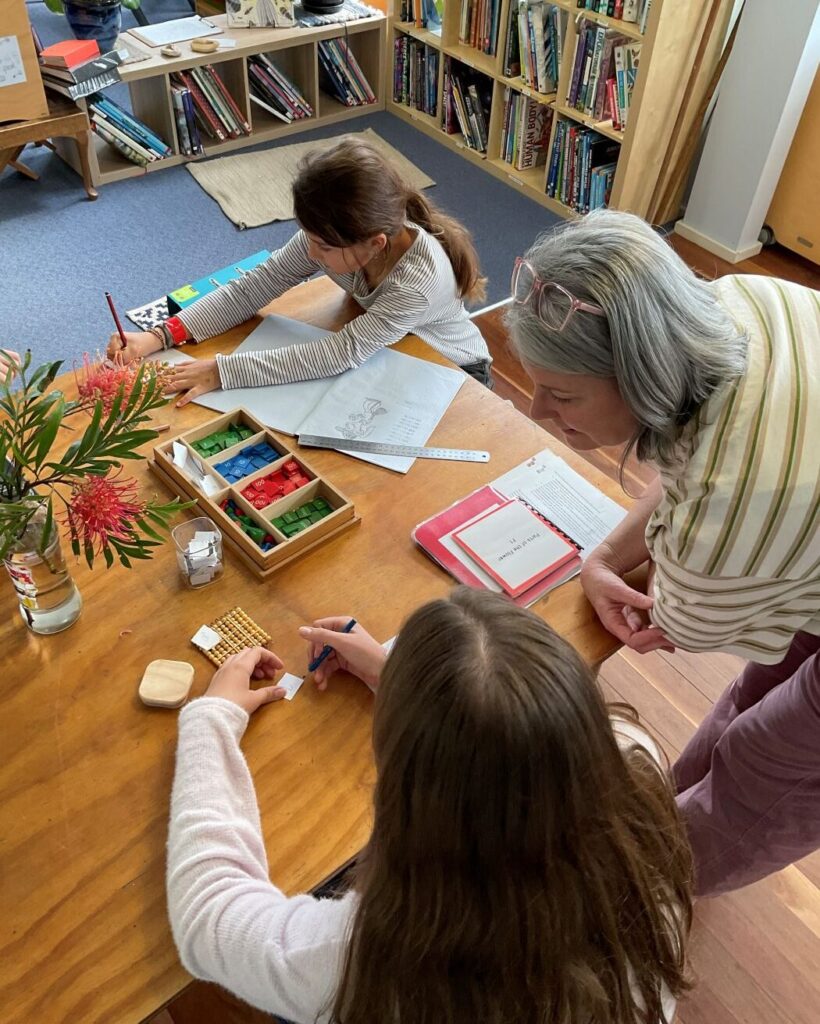
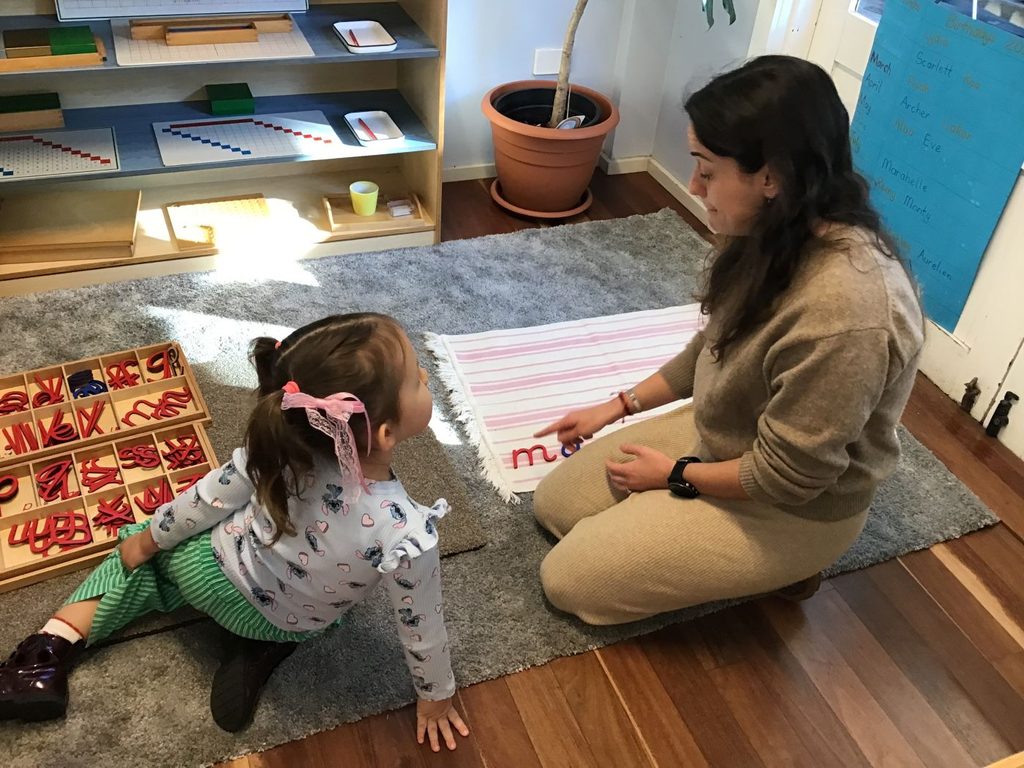
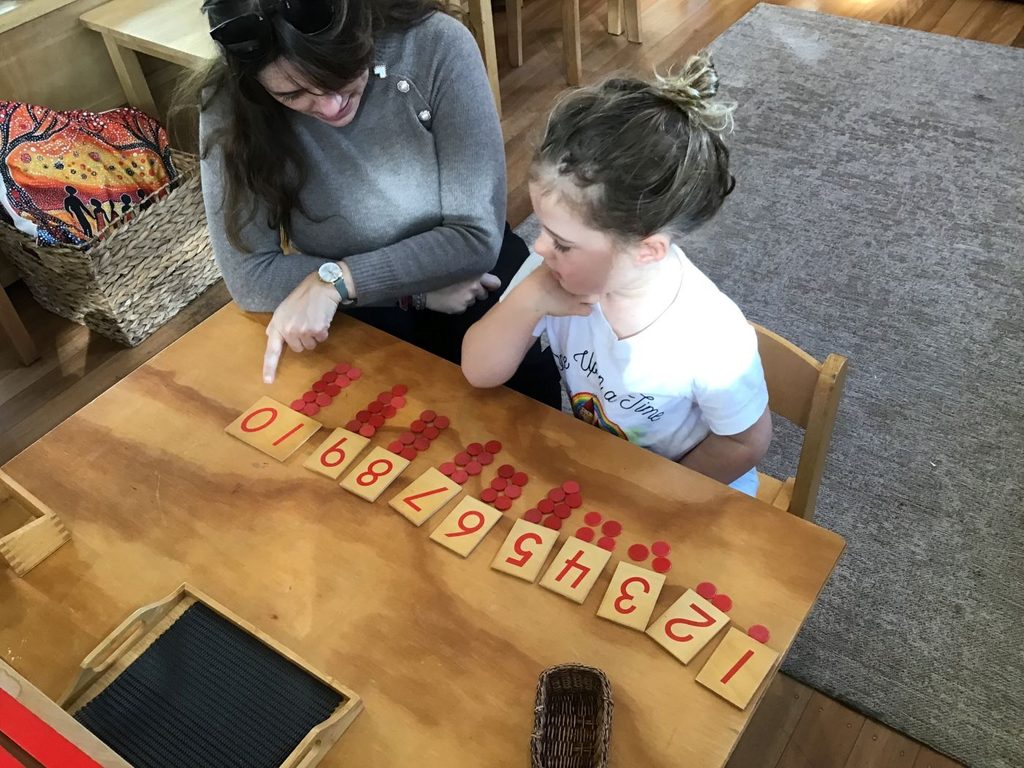
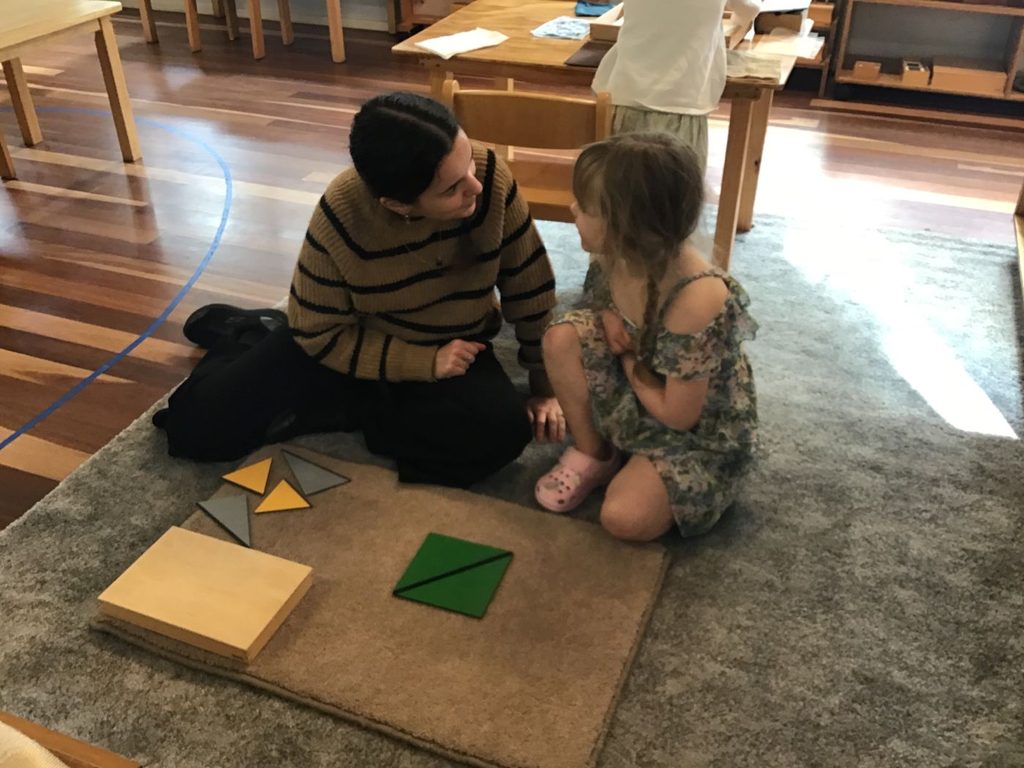
In a Montessori classroom, children remain with the same teacher for a three-year cycle. This provides something quite special: time. Time for the teacher to truly get to know each child, to understand their personality, interests, strengths and challenges, and to build an authentic relationship with them and, as an extension, their family.
The adult’s role is not simply to deliver lessons, but to observe, understand and respond to each individual child. Children are not expected to develop at exactly the same pace or demonstrate their abilities in exactly the same way. Their individual development is recognised and respected, and they are given the opportunity to discover what they are capable of.
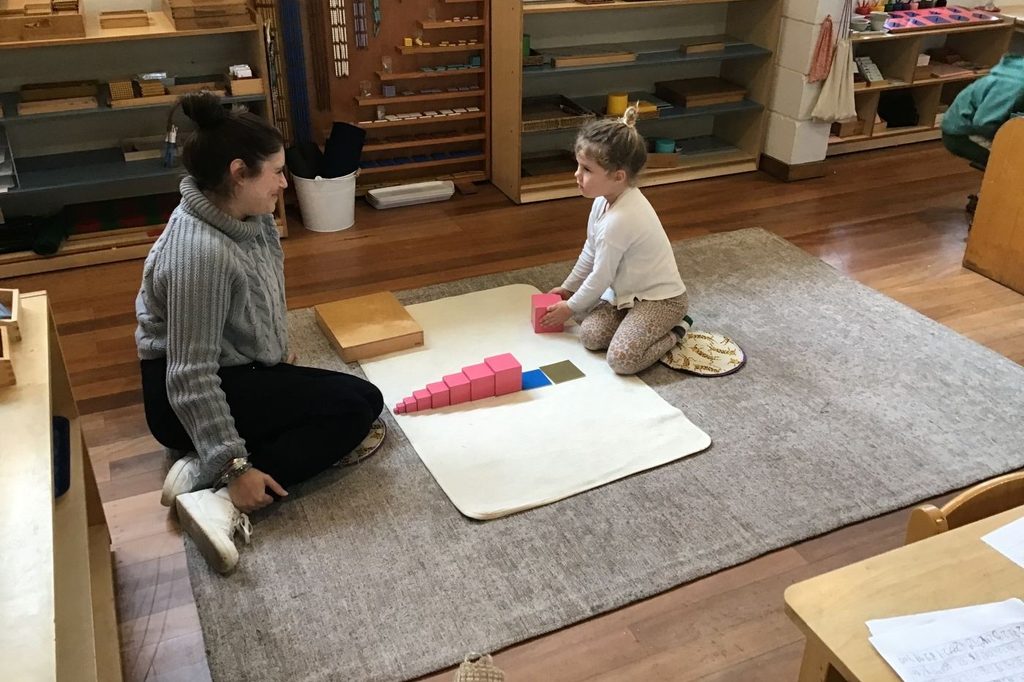
Children are also part of a mixed-age community, where they have opportunities to contribute in different ways. They are not expected to develop at exactly the same pace or demonstrate their abilities in exactly the same way. Their individual development is recognised and respected. They are valued for who they are, while being encouraged to discover who they can become.
There is another important connection here: belonging and independence are closely related.
We often assume that independence means being able to do things for yourself. But children develop the confidence to become independent when they first feel secure, supported and connected to the people around them. When they know there is someone there to guide them, encourage them and believe in them, they become more willing to step forward on their own.
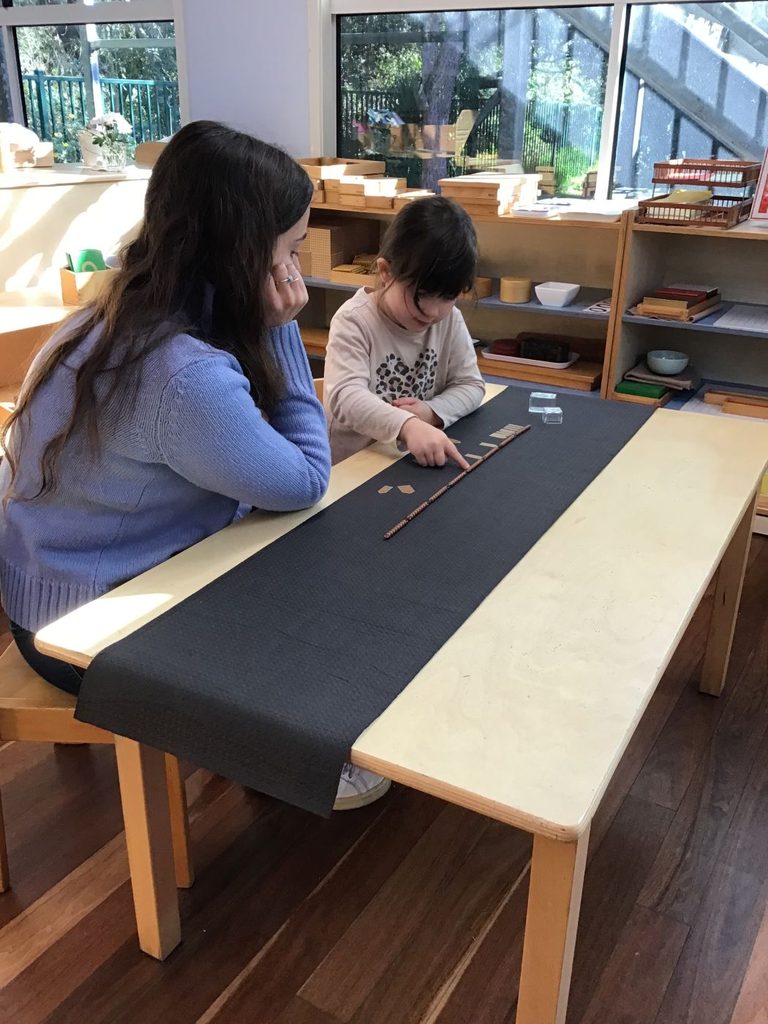
Perhaps that is the lasting impact of feeling seen as a child. It stays with you long after you leave that classroom. It shapes how you see yourself, what you believe you are capable of and how confidently you move through the world.
I often think of Mr Best. I don’t remember every lesson he taught me, but I do remember how I felt in his classroom. I remember feeling seen for who I was and who I was becoming.
Isn’t this what we want for every child? Not just a place where they are taught, but a place where they are known. Where they feel they belong. Where someone respects them, believes in them and helps them see what is possible for themselves.
Because sometimes, one person seeing you, for exactly who you are, can change how you see yourself forever.
To find out more about Barrenjoey Montessori and see it in action:
- Watch out YouTube Channel: https://www.youtube.com/@BarrenjoeyMontessoriSchool
- Visit our Website: https://www.barrenjoeymontessori.com.au/
- Check out Our Socials: https://www.instagram.com/barrenjoeymontessori/ https://www.facebook.com/barrenjoeymontessorischool
- Book a personal tour (online or in person): https://www.barrenjoeymontessori.com.au/enrolment-enquiry
- Observe a classroom in action: book in at [email protected]
Preschool
Primary