



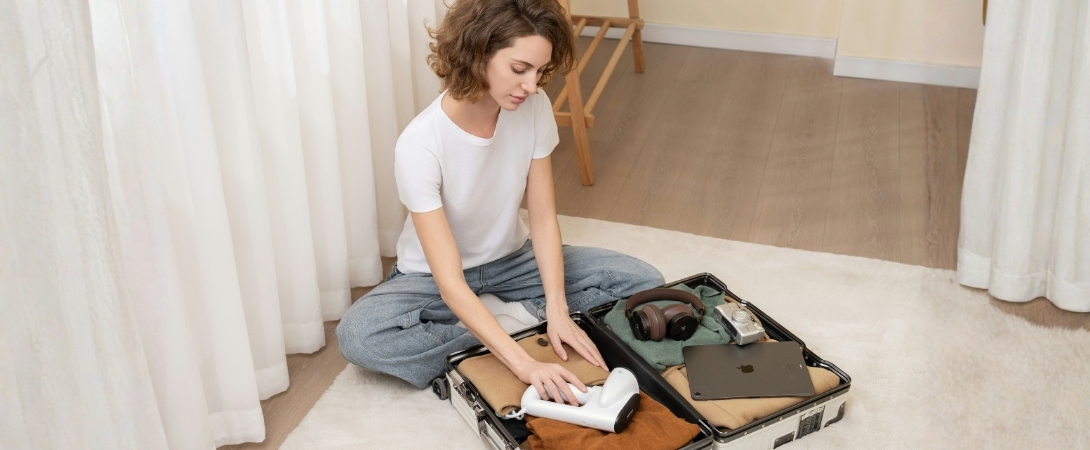
Family holidays have a funny way of starting weeks before anyone gets in the car or boards a plane. There are clothes to pack, chargers to find, snacks to organise, swimmers to remember, and enough entertainment to keep the kids happy for longer than twenty minutes.
Most families spend plenty of time planning where they’re going. Far fewer think about what they’ll do if someone gets sick, gets injured, or wakes up with a painful tooth halfway through the trip.
Nobody wants to imagine holiday hiccups before the fun begins, but a little preparation can save time, reduce stress, and help everyone get back to enjoying the trip sooner.
What Every Family Should Pack
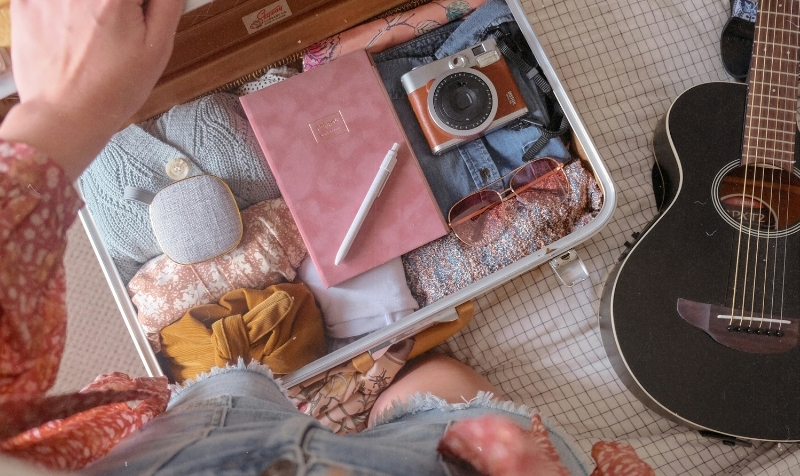
Every family has its own packing style. Some write detailed lists weeks in advance. Others pack the night before and somehow still remember everyone’s favourite jumper.
Whichever approach works, a few health essentials belong on every travel checklist:
- Regular medications
- Copies of prescriptions for ongoing medication
- Medicare card and private health insurance details
- A small first-aid kit with bandages, antiseptic, pain relief, and a thermometer
- Emergency contact numbers
- Allergy information, particularly for children
If you’re travelling somewhere unfamiliar, it also helps to know where the nearest pharmacy, medical centre, and hospital are located. It’s easy to overlook, but having this information ready can make things much easier if something unexpected happens.
Keep the Health Basics
Holidays are meant to be a break from routine, but not every healthy habit needs to disappear.
Long drives, busy sightseeing days, and plenty of treats can push the basics aside. Drinking enough water matters, especially during Australia’s warmer months, as do sunscreen, hand washing, sleep, and having a few healthier snacks available.
Oral health can slip down the list too. Late nights and early starts may mean brushing gets rushed or flossing disappears for a few days.
Keeping toothbrushes easy to reach, packing travel-sized toothpaste, and encouraging children to stick to their usual brushing routine can help keep things simple.
Don’t Forget Dental Emergencies
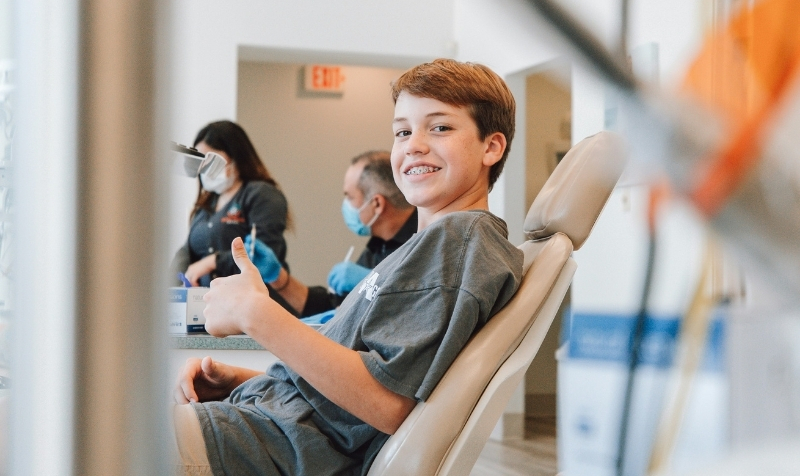
A scraped knee usually won’t derail a family holiday. A dental emergency can be a different story.
A child might chip a tooth after falling at the playground. Someone may bite into unexpectedly hard food. A teenager could take a knock while playing sport, or an old filling might suddenly come loose.
These situations aren’t usually on the packing checklist, which is exactly why they can catch families off guard.
Just as many parents make a note of the nearest pharmacy or urgent care clinic, it’s also worth knowing where to find dental care if it’s needed. If you’re travelling through South East Queensland or planning a Brisbane stopover, it’s just as useful to know where to find an emergency dentist in Brisbane as it is to know the nearest pharmacy or medical centre.
Urgent problems such as severe toothache, swelling, broken or knocked-out teeth, lost fillings or crowns, and dental injuries shouldn’t simply be left until the holiday is over.
If a permanent tooth is knocked out, handle it by the crown rather than the root. If possible, place it gently back into the socket. If that isn’t possible, keep it moist in milk and seek urgent dental care as soon as possible.
For a chipped tooth, swelling, or persistent pain, rinse the mouth gently with water and contact a dental professional rather than waiting for the problem to settle on its own.
Small Habits That Can Prevent Holiday Problems
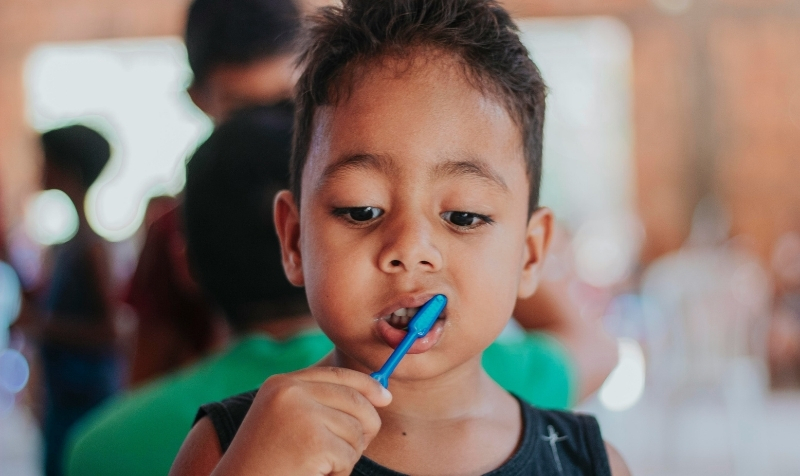
Not every holiday mishap can be avoided, but a few simple habits can make family travel healthier and less stressful.
Stay on Top of Hydration
Keep water within reach during long drives and busy days outdoors, particularly when children are active.
Keep Medications Within Reach
Regular medications are much more useful when they’re easy to access rather than buried at the bottom of a suitcase.
Don’t Let Every Routine Disappear
Holidays can break the usual schedule, but regular meals, enough sleep, and brushing twice a day are routines worth keeping.
Protect Kids During Active Days
Sunscreen, hats, suitable footwear, and protective equipment matter. For activities with a risk of dental injury, a properly fitted mouthguard can help protect teeth.
Don’t Ignore Symptoms
A mild toothache, rash, fever, or other symptom can be tempting to postpone until you’re home. If it persists or gets worse, getting advice early may prevent a much bigger interruption.
A Little Preparation Goes a Long Way
Family holidays rarely go exactly to plan.
Someone forgets a hat. Someone spills an ice cream. Someone insists they packed their swimmers and definitely didn’t.
Most of those moments become funny stories later. Health problems are different.
A little planning doesn’t mean expecting the worst. It simply means you’re less likely to spend valuable holiday time searching for help while everyone else is heading to the beach.
Pack Smart, Then Enjoy the Trip
Packing for a family holiday isn’t only about what goes into the suitcase. It’s also about being ready for the little things that can have a surprisingly big impact.
Most families won’t need emergency medical or dental care while they’re away. But if they do, having a plan can turn a stressful situation into a manageable detour.
Sometimes the most useful thing you bring on holiday doesn’t take up any luggage space at all. It’s simply being prepared.
About the Author
This article was created with the team at MGA Dental, an Australian dental practice providing preventive, restorative, cosmetic, and emergency dental care for patients of all ages.