






By Mia Nguyen
Summer is here, the kids are out of school, and the pool gate is about to get a workout. It will open and close more this month than it did all winter.
Most of us don’t think about the pool gate until it stops working. Around a pool, that can mean a toddler slipping through a gate that didn’t latch. Drowning is one of the leading causes of preventable death for young children in Australia, and many of those incidents happen in backyard pools.
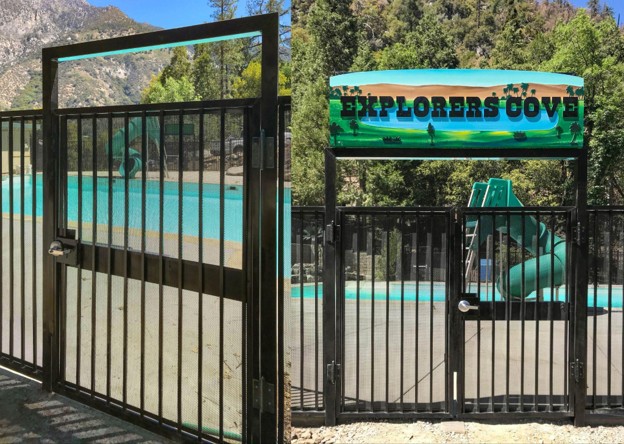
Why the Gate Is the Weak Spot
A pool fence is only as safe as its gate. The panels stay put all year, but the gate gets pushed, pulled, swung on, and sometimes propped open with a pool noodle. Sound familiar?
Over time, hinges loosen, springs wear out, posts shift after heavy rain, and salty air eats away at metal parts. A gate that passed inspection last year can stop latching this year, and nobody notices.
In NSW, a pool gate must open outwards, away from the pool, and close and latch on its own from any open position. Propping it open is against the law.
The 5-Minute Pool Gate Check
Swing test. Open the gate all the way and let go. Try again from halfway, then from just a few centimetres open. It should close and latch on its own every time. If it stops short or bounces off the latch, it needs fixing.
Pull test. Once it’s latched, push, pull, and lift the gate. It should stay shut. A sagging gate can sometimes be lifted off its latch, and toddlers figure that out fast.
Latch height. Measure from the ground to the latch release. On the outside of the gate, it needs to be at least 1500mm high. On the inside, at least 1200mm high and 150mm below the top of the gate.
Climb check. Walk around the fence. Pot plants, chairs, eskies, or the barbecue within 900mm of the fence work like a ladder for kids. Also check the gap under the fence and gate is no more than 100mm, since soil and mulch wash away after storms.
Hardware check. Look at the hinges, latch, and screws. Loose screws, rust, a gate dragging on the ground, or a squeaky hinge all mean the closing mechanism is wearing out.
Gate Failed a Step? Quick Fixes
If the gate doesn’t close from every position, add a little spring tension. Most self-closing hinges adjust with an Allen key. Go one step at a time and test after each change.
If it slams, don’t add more tension. That makes it worse. Look for a hinge or closer with speed control, which slows the gate down before it hits the latch.
If it sags or misses the latch, tighten the hinge and latch screws first. If the post has moved, realign the latch.
If the hardware is rusted, replace it. Near the beach, go with 316 marine grade stainless steel.
Not sure your pool fence is compliant? The NSW Swimming Pool Register has free self-assessment checklists, and your local council or an accredited pool inspector can check it for you.
Make It a Monthly Habit
A gate is a safety net, not a babysitter. Kids under five still need an adult within arm’s reach whenever they’re in or near the water.
Never prop the gate open, not even while you carry out snacks. Tell grandparents, babysitters, and older kids the same rule. Run this check once a month over summer, and again after a big storm.
A gate that doesn’t latch is one of those small things that’s easy to miss. Five minutes a month is all it takes to catch it.
About Author
Mia is an SEO specialist at Waterson Multifunction Closer Hinges, a manufacturer of self-closing gate and door hinges. She writes about gate safety and hardware to help families and builders keep pool areas secure year-round. Learn more and join the waitlist at watersonusa.com.