



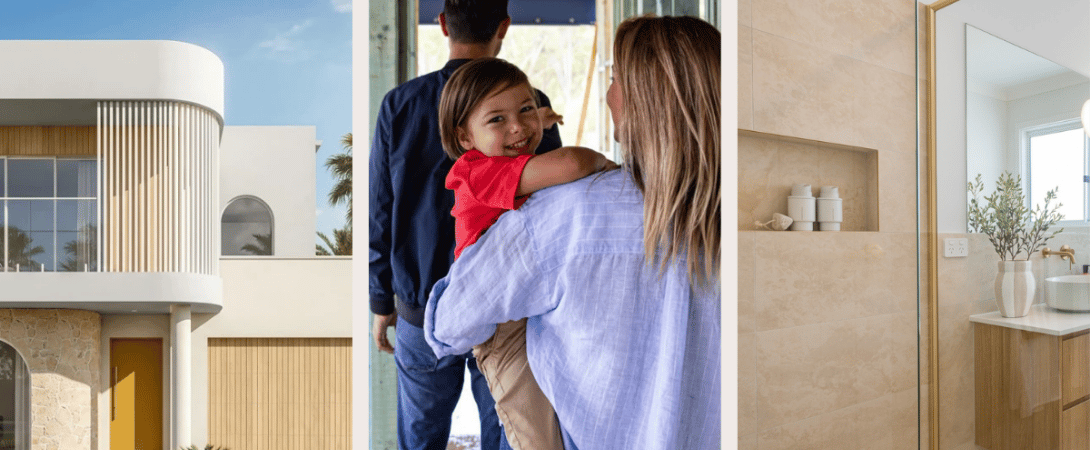
Between Saturday morning nippers at the surf club, school pick-up queues, and the slow accumulation of surfboards, bikes and kids’ sports kit in the hallway, life on The Beaches moves at lightning speed.
For many of us, there comes a defining weekend when the home that felt so spacious when the kids were toddlers suddenly feels burst-at-the-seams tight. The kitchen island doubles as a homework station, home office and dinner prep zone; teenage kids are negotiating bathroom schedules; and quiet adult retreat space is practically nonexistent.
When your family outgrows its living quarters, the natural instinct might be to scan property listings. Yet anyone who has browsed local open homes from Manly to Avalon knows the harsh reality: moving within the peninsula is notoriously expensive. Once you factor in hefty stamp duty costs, agent fees and intense auction competition, selling often means compromising on location – or worse, having to leave the school zones, neighbours and beachside routines your family cherishes.
Upsizing right where you are through a Knockdown Rebuild (KDRB) or a custom extension allows you to keep your coveted patch of coastal earth while creating a home tailored specifically to your family’s future.
Whether you are considering leveling an older post-war cottage or designing a multi-level coastal build from scratch, here is your definitive, practical roadmap to upsizing seamlessly without losing your sanity.
1. Plan for Today – and for 10 Years Down the Track
The secret to successful upsizing isn’t simply adding square footage; it’s designing functional layout fluidity. Toddlers need open sightlines from the kitchen to the backyard, but before you know it, those toddlers become teenagers who need distinct zones for study, music and quiet retreat with friends.
When reviewing layouts, map out how your household flows during peak morning rush hour and relaxed Sunday afternoons:
- Shared vs. Private Zoners: Pair generous open-plan communal living (kitchen, dining and outdoor terrace) with secondary breakout spaces upstairs or downstairs, such as dedicated media rooms or kids’ activity hubs.
- The Mudroom/Drop Zone: On the beaches, a dedicated transition space directly off the garage or side entry is essential for damp towels, school backpacks, sandy shoes and sports bags before clutter invades main living areas.
- Flexible Rooms: Design home office spaces or guest bedrooms that can effortlessly transition into teenage study dens or multi-generational suites as your family evolves.
2. Compare Customising a Proven Concept vs. a Full Custom Architectural Build
Upsizing doesn’t mean starting from a blank sheet of paper at astronomical architectural expense. One of the most cost-effective, time-tested paths is to start with a proven display home concept and adapt it to your site.
- Adapting Display Layouts: Concepts like the narrow-block Hamilton design flip the living areas upstairs to capture coastal breezes, elevated district views, and natural sunlight, while reserving the ground floor for kids’ bedrooms and breakout spaces. Starting with an engineered floor plan allows you to make structural adjustments widening living zones, expanding the butler’s pantry, or tailoring window placements while saving substantially on drafting and design lead times.
- Full Custom Design: If you are dealing with a heavily contoured block, an irregular boundary, or strict heritage conservation guidelines, a bespoke architectural approach ensures every millimeter is engineered specifically around your site’s physical constraints.
3. Build Bigger and Build Smarter with Sustainable Coastal Living
Upsizing your home’s footprint naturally increases your heating, cooling and power needs. However, building new is the single best opportunity to integrate passive solar design and energy-efficient technology that keeps running costs low while boosting everyday comfort.
- Passive Solar Orientation: Orient main living zones and extensive glazing toward the north to welcome warm winter sun, while using overhangs and external louvres to block intense summer heat.
- High-Performance Glazing & Insulation: Invest in double-glazed, thermally broken aluminum window profiles and high-density wall and ceiling insulation batts. These keep your interior peaceful, quiet, and naturally temperate year-round.
- Cross-Ventilation: Peninsula living is all about the afternoon sea breeze. Strategically placed louvres, high-set awning windows and open-plan ceiling sweeps allow cooling coastal airflow to circulate freely, drastically cutting air conditioning dependency.
- Renewable Ready: Pre-wire your roof infrastructure for high-output solar PV systems, home battery storage, and electric vehicle (EV) charging stations in the garage during the initial framing stage.
4. Consider a Dual Occupancy / Duplex
In a premium coastal market like Sydney’s Northern Beaches, land is gold. Whether you are looking to create multi-generational living options, generate dual rental streams, or unlock capital growth on your existing block, a duplex build is one of the smartest strategies for maximising land efficiency without buying additional real estate.
Join us in person for one of our FREE hands-on masterclasses in Brookvale on 22nd September or 29th September 2026! Discover expert tips and insider secrets to maximise your land’s potential and create stunning duplexes. Whether you’re a seasoned developer or just curious, the event will give you the lowdown on how to unlock value like a pro.
Don’t miss out on this exciting opportunity to learn and connect!
5. Master the Nuances of Northern Beaches Council Compliance
The Northern Beaches local government area is one of the most geographically diverse and planning-sensitive councils in New South Wales. From Manly’s tight heritage corridors to the steep sandstone shelves of Dee Why and the bushfire-prone ridges of Mona Vale, every suburb has specific development overlays.
A successful upsize requires navigating these nuances early:
- DA vs. Complying Development (CDC): Determine whether your proposed design fits within the State Environmental Planning Policy (SEPP) for fast-track CDC approval, or requires a formal Development Application (DA) through Northern Beaches Council.
- Site Geotechnics & Sandstone Foundations: Many peninsula blocks sit directly on solid sandstone ledges or soft coastal sands. Ensuring comprehensive geotechnical soil testing is conducted prior to structural engineering prevents costly surprises once excavation begins.
- Bushfire (BAL) and Flood Overlays: If your block borders coastal bushland or low-lying catchment zones, specific construction ratings dictate wall claddings, roof sealing, and gutter guard systems.
6. Lock in an Itemised Quote with Full Pricing Transparency
Budget anxiety is the number one concern for families embarking on a major build. In an industry where baseline estimates frequently conceal hidden allowances, absolute transparency from the outset is non-negotiable.
When reviewing construction proposals:
- Demand Itemised Upfront Scope: Your quote should explicitly list all site costs, rock excavation allowances, council connection fees, drainage engineering, and interior inclusion specifications.
- Eliminate Guesswork on Finishes: Confirm your exact choice of cabinetry, plumbing tapware, floor coverings and electrical layouts upfront so you are not confronted with expensive variation invoices halfway through construction.
- Budget for the Complete Picture: Always maintain a clear contingency allocation for post-handover essentials, including boundary fencing, custom window coverings, driveway paving, and coastal landscaping.
7. Demand a Fixed-Price Contract and Guaranteed Completion Date
The biggest risk when upsizing is financial creep caused by unpredictable builder variations or open-ended build schedules that keep your family in expensive rental accommodations for months on end.
- Strict Fixed-Price Contract: Never sign a contract that relies on broad estimates for major structural works. Insist on a locked-in, fixed-price agreement where the builder assumes the risk for execution within the agreed scope.
- Written Completion Date Guarantee: Your contract must include a legally binding completion timeframe with clear handover milestones. Having a confirmed handover date allows you to plan temporary school routines, lease agreements, and moving logistics with total confidence.
8. Partner with an Experienced Local Family Builder
Building a home is an intimate, significant financial and emotional milestone for any family. You aren’t just buying building materials; you are trusting a team with your daily life for the next 12 to 18 months.
Choose a builder who is personally accessible, active on-site and deeply rooted in the local community:
- From Our Family to Yours: Working directly with local owner-operators means your primary points of contact are the licensed builders managing your slab, frames, and finishes – not a rotating roster of corporate project coordinators.
- Hands-on Site Supervision: Builders with decades of hyper-local experience understand the quirks of local trades, peninsula delivery routes, and site management on tight coastal streets.
Let’s explore your options!
Visit our Brookie showroom or give Tony Raco a call today.
G.J. Gardner Homes, Northern Beaches
517 Pittwater Road, Brookvale, NSW
Phone: 02 8550 2420
Email: [email protected]